
Child Poem by Sylvia Plath
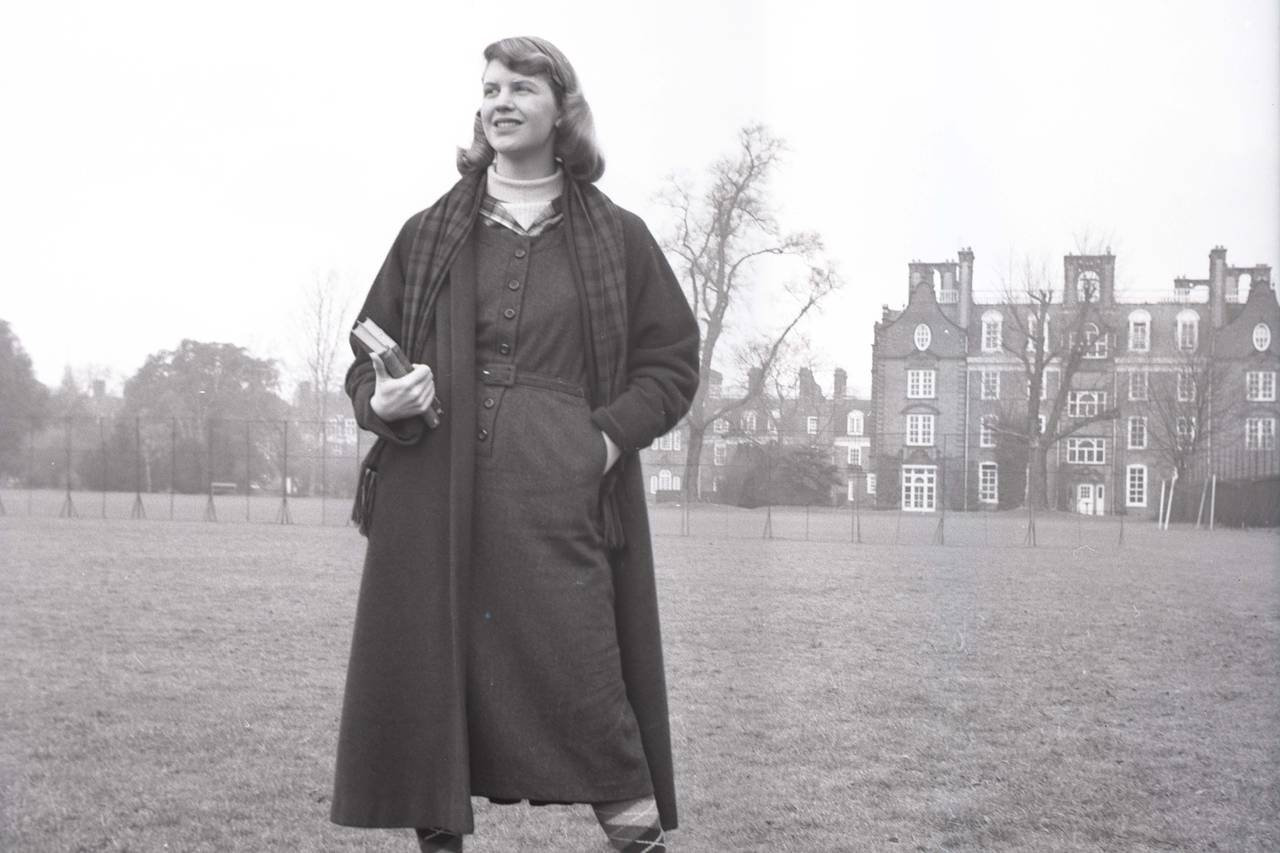

Child
The text of this poem could not be published because of Copyright laws.
Why does the poet decribe the child's eye as 'clear' in the first line of the poem?
I think that Sylvia Plath was talking about the reality of a child in this poem. When she says 'Your clear eye is the one absolutely beautiful thing' I feel like she is talking about the minds eye of a child, and how it is pure and innocent and untainted by the problems and darkness of the world. She wants to maintain this purity by filling it with things like 'color and ducks' which is all a child should be thinking of. She wants to fill the child's mind with playful, youthful images. Plath then goes to say that a child is a 'Stalk without wrinkle'. A child's mind is innocent and naive to the rough world that we live in. It is without prejudice or contempt for any certain thing. It is perfect and pure in every way. When Plath writes '... Pool in which images/Should be grand and classical' she starts getting into the reality of a childs situation. A child's mind should be filled with things that are pure and innocent just like the child. It SHOULD be filled with these things but it is not because that is simply the reality of this world. Children grow up to quickly and we taint their minds with all the war, destruction, and prejudice that we harbor. So the mind becomes '... this dark/Ceiling without a star.' Their is no hope in this mind anymore. There is no fun and games. There is no frolicking and laughing. It is dark, and the ceiling keeps the mind trapped in utter nothingness. And, if you think about it, that is the reality of a child. Their innocence is roughly taken away with the realization that the world isn't as simple and perfect as they had always known it was. That world that they used to see was snatched away from them to fast to even comprehend what was happening.
This poem is blend of hope and depression. The problem is that by knowing Sylvia's misarable life we become prejudice while reading her poems.
How about.... read it... enjoy it.... interpret it...... forget the 6th form stuff.... some of us don't give a hoot about academia! Roger X.
In your opinion, is this a hopeful or depressing poem? Explain answer by referring to the poem.
Decribe two things that Sylvia wishes to teach her child. Support your answer by reference to the poem.
This poem has not been translated into any other language yet.
I would like to translate this poem



Delivering Poems Around The World
Poems are the property of their respective owners. All information has been reproduced here for educational and informational purposes to benefit site visitors, and is provided at no charge...
4/16/2024 10:26:38 AM # 1.0.0.1119



She wishes to make a childs life just a bit more fulfilled, with childlike things