
His Last Sonnet Poem by John Keats
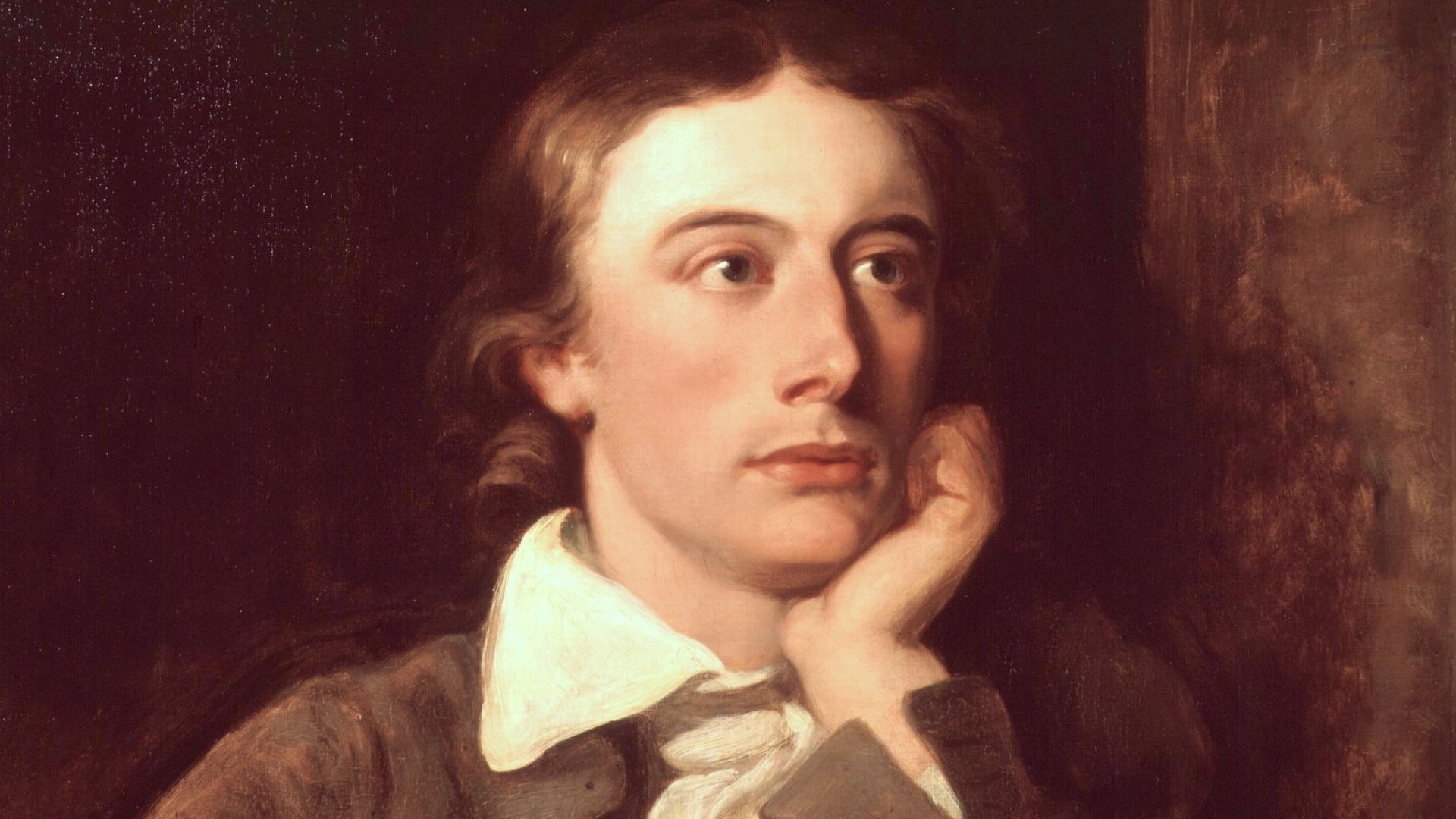

His Last Sonnet
Bright star, would I were steadfast as thou art! -
Not in lone splendour hung aloft the night,
And watching, with eternal lids apart,
Like Nature's patient sleepless Eremite,
The moving waters at their priestlike task
Of pure ablution round earth's human shores,
Or gazing on the new soft fallen mask
Of snow upon the mountains and the moors -
No -yet still steadfast, still unchangeable,
Pillowed upon my fair love's ripening breast,
To feel for ever its soft fall and swell,
Awake for ever in a sweet unrest,
Still, still to hear her tender-taken breath,
And so live ever -or else swoon to death.
I fell in love with this poem at my granny's funeral pillowed upon my fair love's ripening breast gets me everytime: '(It used to be our favourite past time
Simply superb, captivating poem and a great pleasure to read. Thanks for sharing it here.
Anyone who knows me (or follows my comments on sites like this one) is likely to know that my favorite poets of all time are the British Romantics, and that Keats has been a favorite longer than any other. I became an English major and an English teacher and a lover of poetry after discovering Keats' Ode on a Grecian Urn and reading Earl Wasserman's The Finer Tone (I hate not being able to italicize) . 'Bright Star' may very well be the most nearly perfect sonnet in the English language - yes, Petrarchan or Italian, which probably is even more difficult than the Shakespearean or English form. After almost sixty years of reading and teaching this poem, I am still as moved by it as when I first encountered it as a sophomore in college, maybe even more so. And, yes, it has autobiographical overtones. And, yes, the voice heard in the poem is the voice of the poet, Keats himself. Of course, the speaker of every poem is a persona, a mask if you will. But that's true of anything anyone ever says. What we say, if we are not being deceptive or are not self-deceived, reflects who we are at that given moment - maybe not yesterday, maybe not tomorrow, but nevertheless autobiographical. And, no, Keats I am relatively certain would NOT have wanted this poem entitled his Last Poem. How he hoped against hope that it would not be. How blessed we all are - how blessed the world is - that he wrote, that he let it reflect some of what he must have been feeling at that time, and that it was preserved for us to read for all time to come.
Sometimes I wonder about the misconceptions some of you have about poetry and poets, but your garbled interpretations cause my wonder to dissipate in the fog of incomprehension I detect in your postings! Alert to Albert Ahearn- 'His Last Sonnet' by John Keats is NOT a Shakespearean sonnet. Fourteen lines make a sonnet, OK! But when divided into an octave (eight lines rhyming ABABCDCD) - art / night / apart / eremite / task / shores / mask / moors // and a sestet (six lines rhyming EFEFGG) - able / breast / swell / unrest / breath / death, it is a PETRARCHAN sonnet! Remember that your high school teacher impressed upon your adolescent mind that Shakespeare wrote sonnets composed of three quatrains (four lines each) and a couplet (two lines) that summed up or resolved the problem raised in the three preceding quatrains! The poet differs from the persona, the 'I' character in the sonnet that the poet creates to express the thoughts and feelings that many unwary readers take to be the poet expressing himself as the lover or whomever he pretends to be. Recall if you can that teacher who told you that the term 'persons' literally means 'mask! ' And forget Fanny Brawn or whomever else your restless mind and imagination construes as Keats's love interest in real life. Cite your sources, boy! Your vulgar line about the half-naked wench stretched out on the couch leaves most of us in the dark!
I want to enjoy the nature in the night.....so nice poem sir........
hhshshhshshshshhshshssshshshshshshshshshshshshshshshshshshshshshshshshshshshshshshshshshshshshshshshshshshshshshshhhshshshhshshshshsh
This poem has not been translated into any other language yet.
I would like to translate this poem



Delivering Poems Around The World
Poems are the property of their respective owners. All information has been reproduced here for educational and informational purposes to benefit site visitors, and is provided at no charge...
4/23/2024 8:36:16 AM # 1.0.0.1119


love's ripening breast, good one.