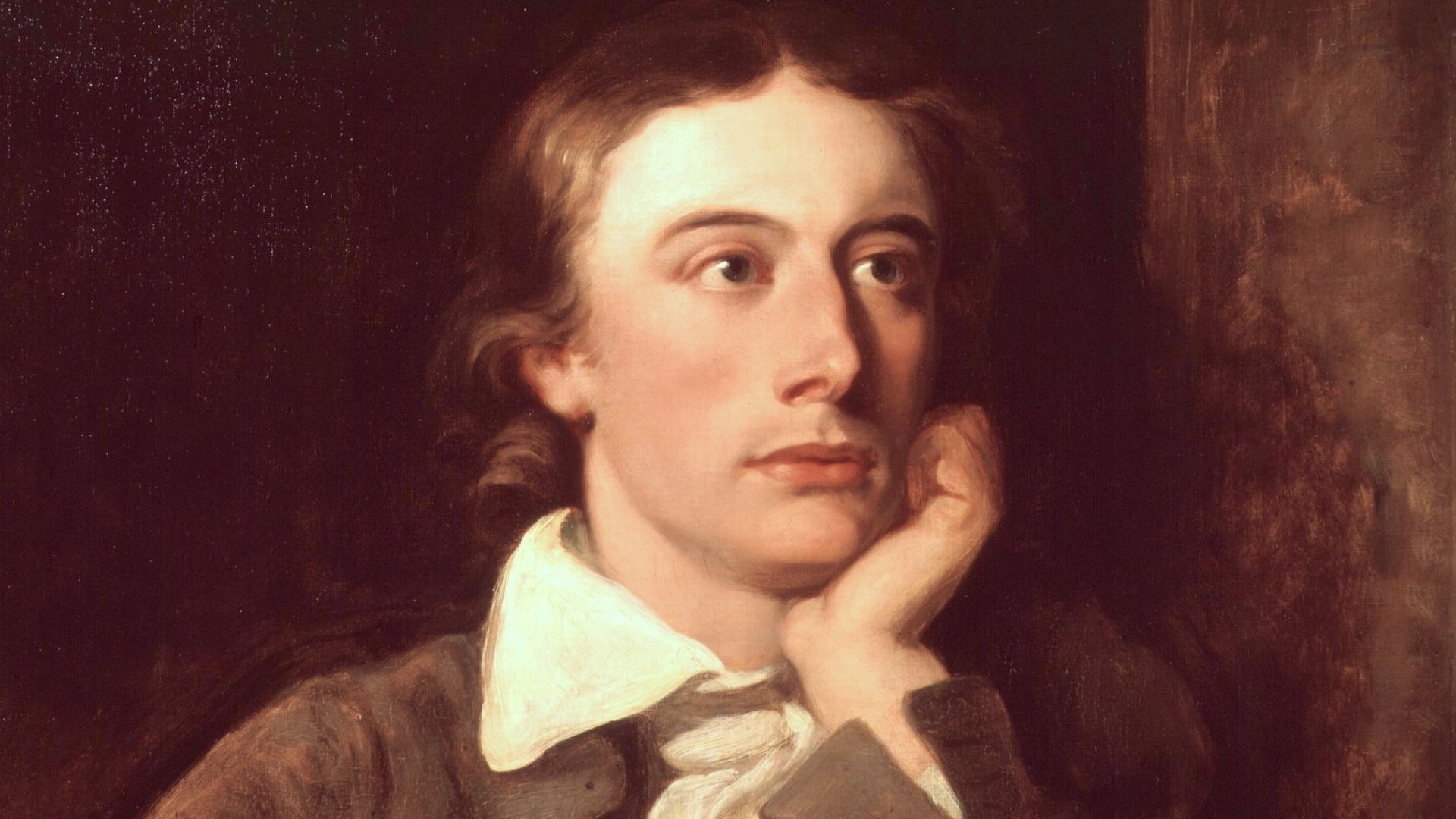

John Keats Poems
A thing of beauty is a joy for ever:
Its lovliness increases; it will never
Pass into nothingness; but still will keep
A bower quiet for us, and a sleep
...
Bright star, would I were stedfast as thou art-
Not in lone splendour hung aloft the night
And watching, with eternal lids apart,
...
My heart aches, and a drowsy numbness pains
My sense, as though of hemlock I had drunk,
Or emptied some dull opiate to the drains
One minute past, and Lethe-wards had sunk:
...
When I have fears that I may cease to be
my pen has glean'd my teeming brain,
high-piled books, in charactery,
...
Thou still unravish'd bride of quietness,
Thou foster-child of silence and slow time,
Sylvan historian, who canst thus express
...
Season of mists and mellow fruitfulness,
Close bosom-friend of the maturing sun;
Conspiring with him how to load and bless
With fruit the vines that round the thatch-eaves run;
...
Bright star, would I were steadfast as thou art! -
Not in lone splendour hung aloft the night,
And watching, with eternal lids apart,
Like Nature's patient sleepless Eremite,
...
Ever let the Fancy roam,
Pleasure never is at home:
At a touch sweet Pleasure melteth,
...
I.
There was a naughty boy,
A naughty boy was he,
He would not stop at home,
...
The church bells toll a melancholy round,
Calling the people to some other prayers,
Some other gloominess, more dreadful cares,
More harkening to the sermon's horrid sound.
...




Delivering Poems Around The World
Poems are the property of their respective owners. All information has been reproduced here for educational and informational purposes to benefit site visitors, and is provided at no charge...
6/9/2026 7:58:27 PM # 1.0.0