
The Moment Poem by Margaret Atwood
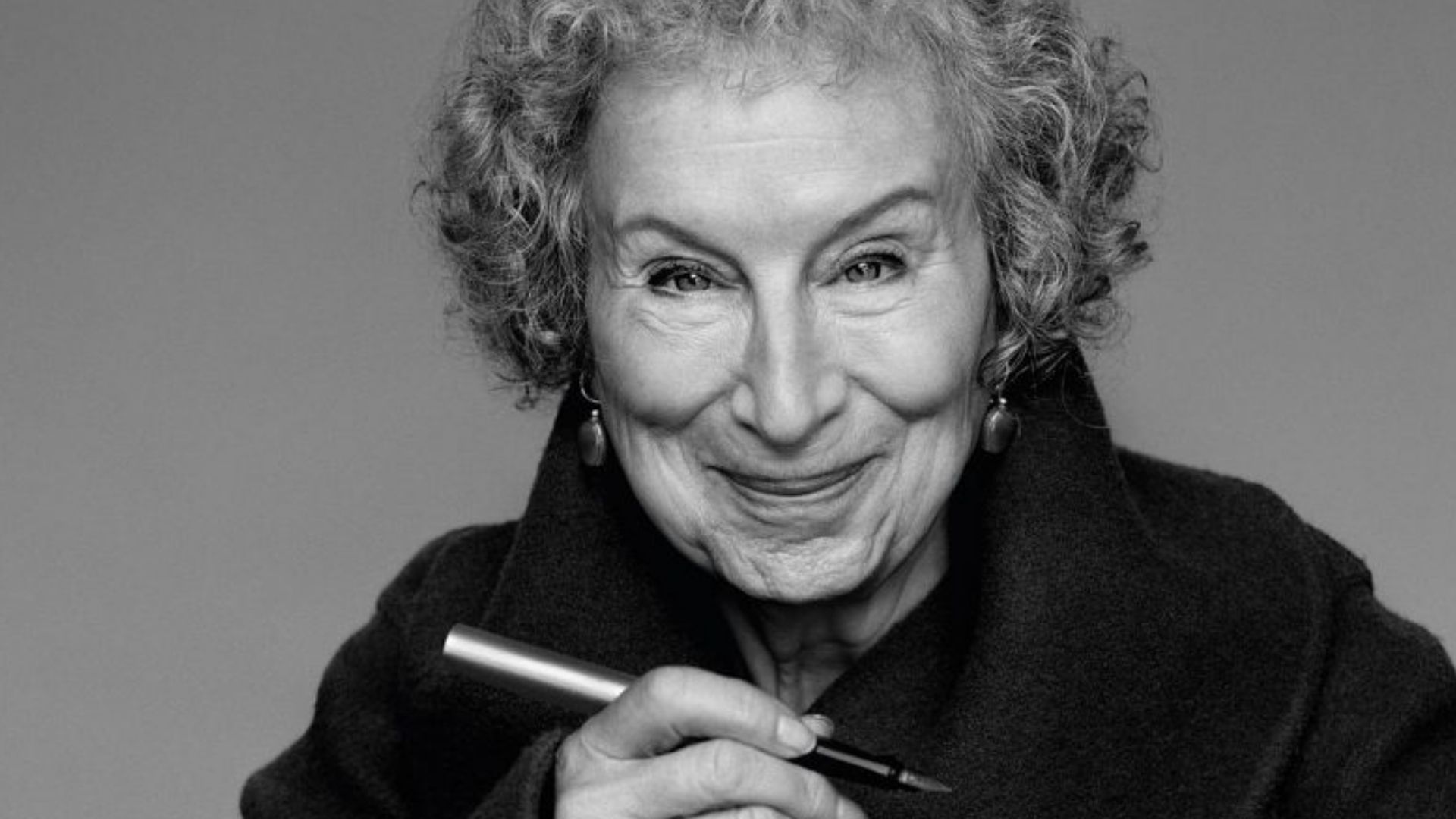

The Moment
The moment when, after many years
of hard work and a long voyage
you stand in the centre of your room,
house, half-acre, square mile, island, country,
knowing at last how you got there,
and say, I own this,
is the same moment when the trees unloose
their soft arms from around you,
the birds take back their language,
the cliffs fissure and collapse,
the air moves back from you like a wave
and you can't breathe.
No, they whisper. You own nothing.
You were a visitor, time after time
climbing the hill, planting the flag, proclaiming.
We never belonged to you.
You never found us.
It was always the other way round.
Written by the women who wrote about the United States being taken over by Christian fascists and enslaving all women! Prescient!
Does anyone know if this poem is part of a collection/book published by Atwood or is it a standalone piece? If its part of a collection/book I would greatly appreciate the name of it : )
It is from the book of poetry called Morning in the Burned House




Delivering Poems Around The World
Poems are the property of their respective owners. All information has been reproduced here for educational and informational purposes to benefit site visitors, and is provided at no charge...
8/26/2026 4:55:14 AM # rel_20260825T124344Z_022792b



This is a beautiful poem about nature. The main theme of this poem is natures ownership. The first stanza talks about natures beauty and that humans own all of it. The second stanza changes all of this. Margaret Atwood uses personification and imagery to convey natures rejection to the fact that humans own nature. In the third stanza nature restates that humans indeed do not own nature and that humans belong to nature. Instead of the other way around. Natures ownership is a good question. I agree that nature owns us because why else must we return to the ground when we die?
Poopoo fart is my favourite thing 🥹
I hope you only mean this is what it is about for you. Because I 'hear' a completely distinct message that is not about something external, but quite esoteric.... about the hubris of mind in mankind thinking anything is all about his/her view.