
A Song Poem by William Butler Yeats
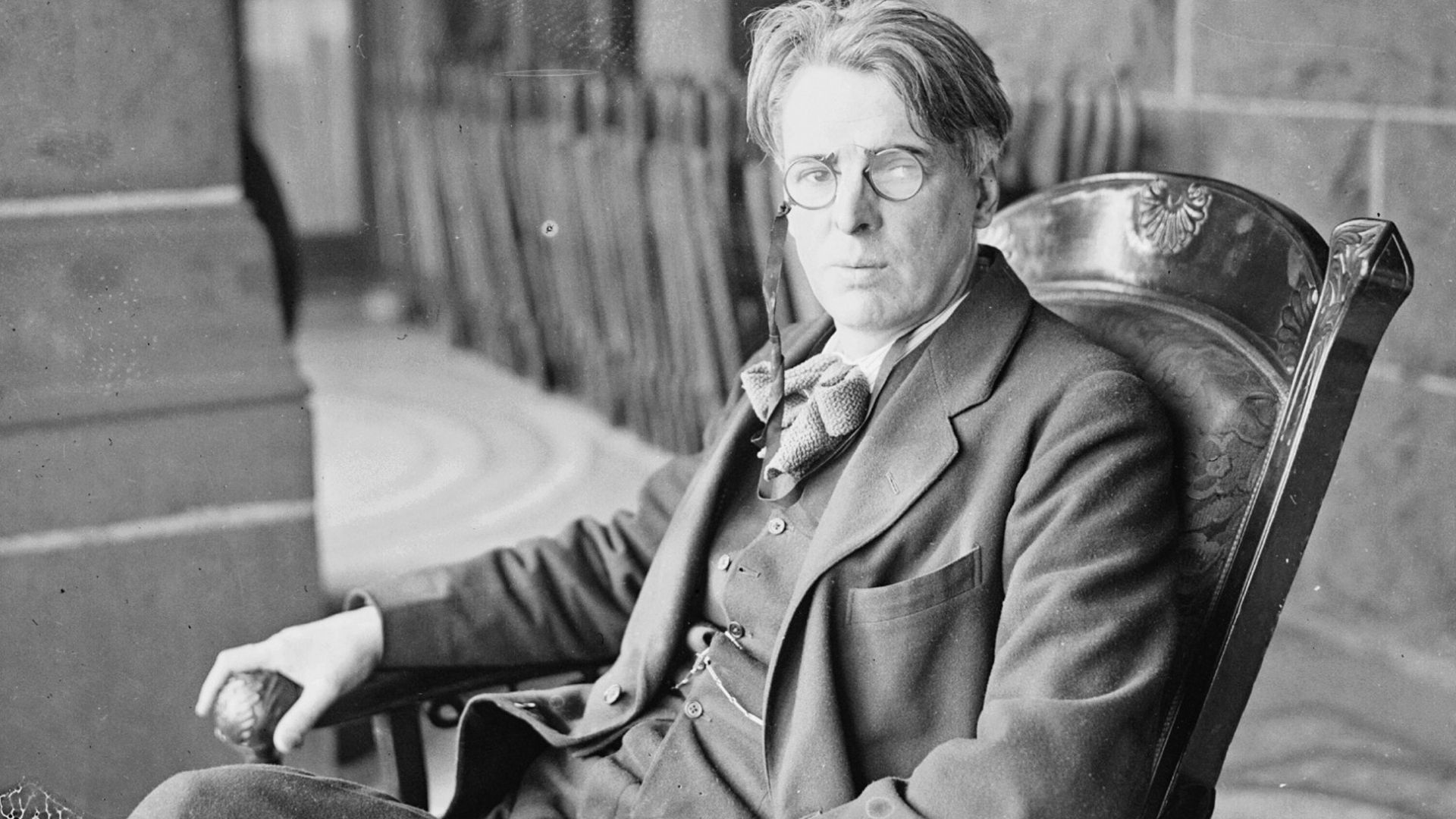

A Song
I THOUGHT no more was needed
Youth to polong
Than dumb-bell and foil
To keep the body young.
O who could have foretold
That thc heart grows old?
Though I have many words,
What woman's satisfied,
I am no longer faint
Because at her side?
O who could have foretold
That the heart grows old?
I have not lost desire
But the heart that I had;
I thOught 'twould burn my body
Laid on the death-bed,
For who could have foretold
That the heart grows old?
There is an interesting contrast here with Thomas Hardy's great poem, 'I Look into my Mirror.' I LOOK into my glass, And view my wasting skin, And say, 'Would God it came to pass My heart had shrunk as thin! ' For then, I, undistrest By hearts grown cold to me, Could lonely wait my endless rest With equanimity. But Time, to make me grieve, Part steals, lets part abide; And shakes this fragile frame at eve With throbbings of noontide. Yeats laments that the heart grows old, even though one keeps the body in shape. He still feels sexual desire, but regrets that he is unable to satisfy it in others.He in fact mourns the death of the heart, without specifying exactly where it lies. Hardy's poem is a complete contrast.Looking into his mirror, he objectively notes the destruction wrought by age and wishes that his capacity to feel had diminished alongside with his features. The second verse tells us that what hurts most is the falling off of affection towards him; the felt loss of love from those who mean most to him. He notes that bodily and emotional decrepitude - the capacity to feel and care –do not go hand in hand; one dies piecemeal. The ‘throbbings of noontide’ refers not just to memories but to this lasting capacity to feel and care. So much in three verses, using ballad form and a simple abab rhyme scheme, is itself a definition of genius.
Desire is not lost. Hope is still alive. We live with greater hope and responsibility. This poem is very interestingly penned. A nice song of the day today we have found.
My views are similar to those of Robert Murray Smith's. A selected poem of a famous poet should not contain typographical error and remain unedited this long. The low rating given to this poem goes not to the poet but the selector(s) .
I have not lost desire But the heart that I had; I thOught 'twould burn my body Laid on the death-bed, For who could have foretold That the heart grows old? /// beautiful poem penned; growing old mind can do nothing for self and others; haggard mind can do nothing for the welfare being of the country or universe; indeed always the active green youthful mind is the power of the universe even in it is on the chariot of old age/// great poem penned on the praising of youth foretold
the heart does not grow old when you are with your soulmate it does when you are alone have u found your soulmate
, Yes the heart ages, too, despise of our romantic nations of it.
This poem has not been translated into any other language yet.
I would like to translate this poem



Delivering Poems Around The World
Poems are the property of their respective owners. All information has been reproduced here for educational and informational purposes to benefit site visitors, and is provided at no charge...
9/22/2024 11:26:59 PM # 1.0.0.1119


This poem has been presented with typographical errors. I am not pleased that this is so. The poem itself is second rate not worthy of this category.
Typos are eyesores to me.Agree with you in that it 's not a best from Yeats. Glad to read him here, though.