
If We Must Die Poem by Claude McKay
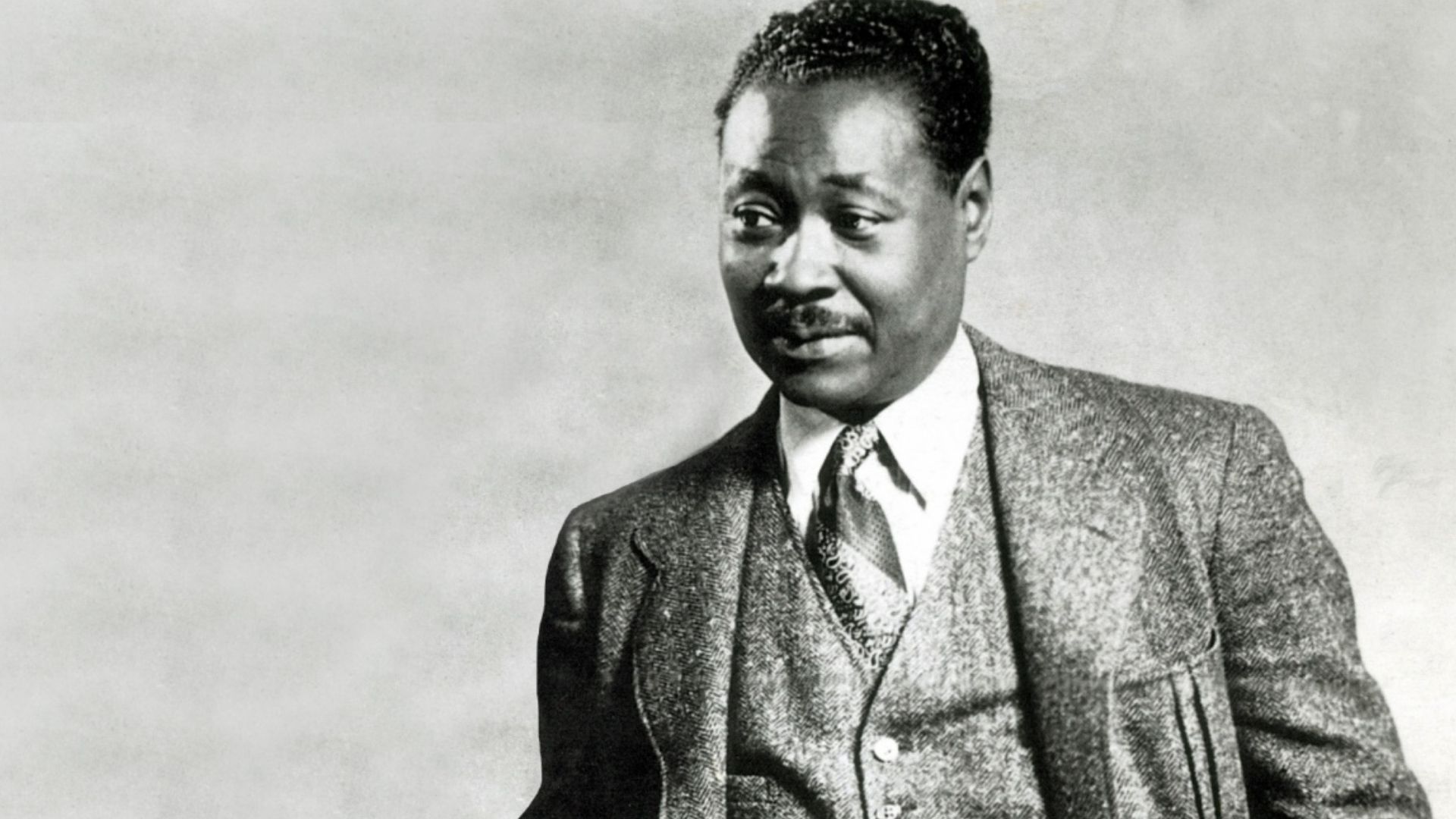

If We Must Die
If we must die, let it not be like hogs
Hunted and penned in an inglorious spot,
While round us bark the mad and hungry dogs,
Making their mock at our accursèd lot.
If we must die, O let us nobly die,
So that our precious blood may not be shed
In vain; then even the monsters we defy
Shall be constrained to honor us though dead!
O kinsmen! we must meet the common foe!
Though far outnumbered let us show us brave,
And for their thousand blows deal one death-blow!
What though before us lies the open grave?
Like men we'll face the murderous, cowardly pack,
Pressed to the wall, dying, but fighting back!
Alessia Maganuco. Claude McKay, the first major poet of the Harlem Renaissance. The main thing Claude McKay did to show imagery and description in the poem “If We Must Die” to convey feeling is to shape the trends that would later define that literary moment. He was able to indulge and arouse many black readers. Many African American were fascinated to his poetry by his frequently explosive condemnations of bigotry and oppression. He helped disclose some of the unifying principles underlying the major conflicting themes of the writers of them Harlem Renaissance. In addition, the Negro Renaissance gave voice to the new spirit awakening in the 1920’s; but the new militancy indicated that the long journey down the harsh years of history had ascended to read the good life ahead. My personal favorite line from the poem “If We Must Die” is: “like men we’ll face the murderous, cowardly pack, pressed to the wall, dying, but fighting back.” That line symbolizes strength and fortitude from Claude McKay.
Mai Xiong AML-2600-50456 March 31,2014 In Claude McKay’s “If We Must Die”, McKay uses imagery and description to convey how African Americans felt towards whites. McKay's powerful lines, If we must die, let it not be like hogs and Though far outnumbered let us show us brave tells his friends to stand up for themselves. During this time period, African Americans were still being disrespected and treated harshly. Mckay sends out a message to be brave because their blood are just as precious as anyone else's. Mckay states that if they were to die, they must die nobly. Although they may die in this fight for freedom, at least they were fighting for something they truly believe in. Mckay wanted to send an encouraging message to give strength to the African American community. This poem resembles peasant life more than militant because just like peasants, they were treated unequal and like hogs. If the community gather up together, they can make a difference and they will be able to beat those who are the cowardly pack. Word Count: 171
Again, Claude McKay, Jamaican born, one, just one of many writers from the Harlem Renaissance era..
Claude McKay is one of the best writers of sonnets in the West, and he conveys important civil rights messages all along the way.
Claude McKay is one of the best writers of sonnets in the Western literary tradition,
What is a noble death in a pandemic, or as a soldier because politicians failed in statesmanship, or in an accident.We must all make peace with death at some stage and accept it.
This poem was a response to racial violence. Don't broaden it's application if it's not fitting.
Great lines of poetry. A masterful creation exquisitely crafted with artistic brilliance.
This poem has not been translated into any other language yet.
I would like to translate this poem



Delivering Poems Around The World
Poems are the property of their respective owners. All information has been reproduced here for educational and informational purposes to benefit site visitors, and is provided at no charge...
4/27/2024 2:23:30 PM # 1.0.0.1119



Nadine Graybeal AML-2600-50456 03/31/2014 Claude McKay was one of the famous poems in the Harlem Renaissance time. In Claude McKay’s poem “If We Must Die” he uses imagery and describes the poem to deliver feeling by comparing the problems to symbols like animals or objects that his readers can relate to. He was referring to the bloodshed and massacre of 1919. The speaker seems to portray the enemy in many different ways. He represents the opponent as vicious dogs getting ready to hunt on their prey. He then makes it seem as if the dogs are more than hungry that they end up being some type of vicious cold-hearted beast who torture their pray rather than consume them. Then he speaks of the enemy as being a monster because dogs are too human to be portrayed as what is being represented. McKay’s poem represents more of a stand your ground and fight back action. He wanted the people not to be afraid of standing up for themselves. With all of the fight the people will end up dying, but he is saying if we must die, at least we can choose how we will die. We can die with dignity if we choose too! McKay wants them to give it their all so they can die proud. Word Count: 213