
To A Lady Asking Him How Long He Would Love Her Poem by Sir George Etherege
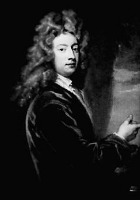

To A Lady Asking Him How Long He Would Love Her
IT is not, Celia, in our power
To say how long our love will last;
It may be we within this hour
May lose those joys we now do taste;
The Blessed, that immortal be,
From change in love are only free.
Then since we mortal lovers are,
Ask not how long our love will last;
But while it does, let us take care
Each minute be with pleasure past:
Were it not madness to deny
To live because we're sure to die?
This poem has not been translated into any other language yet.
I would like to translate this poem



Delivering Poems Around The World
Poems are the property of their respective owners. All information has been reproduced here for educational and informational purposes to benefit site visitors, and is provided at no charge...
7/27/2026 2:19:49 PM # 1.0.0



Is this poem related to libertinism? I gather there is an intrinsic thematic link among Rochester, Aphra, Etherege, Dorset in terms of hedonism, individualism that can be related to 'To his Coy Mistress'. I underline these meaningful lines conveying the topic of 'carpe diem': - But while it does, let us take care - Each minute be with pleasure past: Maybe, there is a link between this topic and Hobbes (as Bernd Dietz infers in his book on Rochester (1989: 45) : The present onely has a being in Nature; things Past have a being in the Memory onely, but things to come have no being at all; the Future being but a fiction of the mind, applying the sequels of actions Past, to the actions that are present; which with most certainly is done by him that has most Experience; but not with certainty enough.