
A Brook In The City Poem by Robert Frost
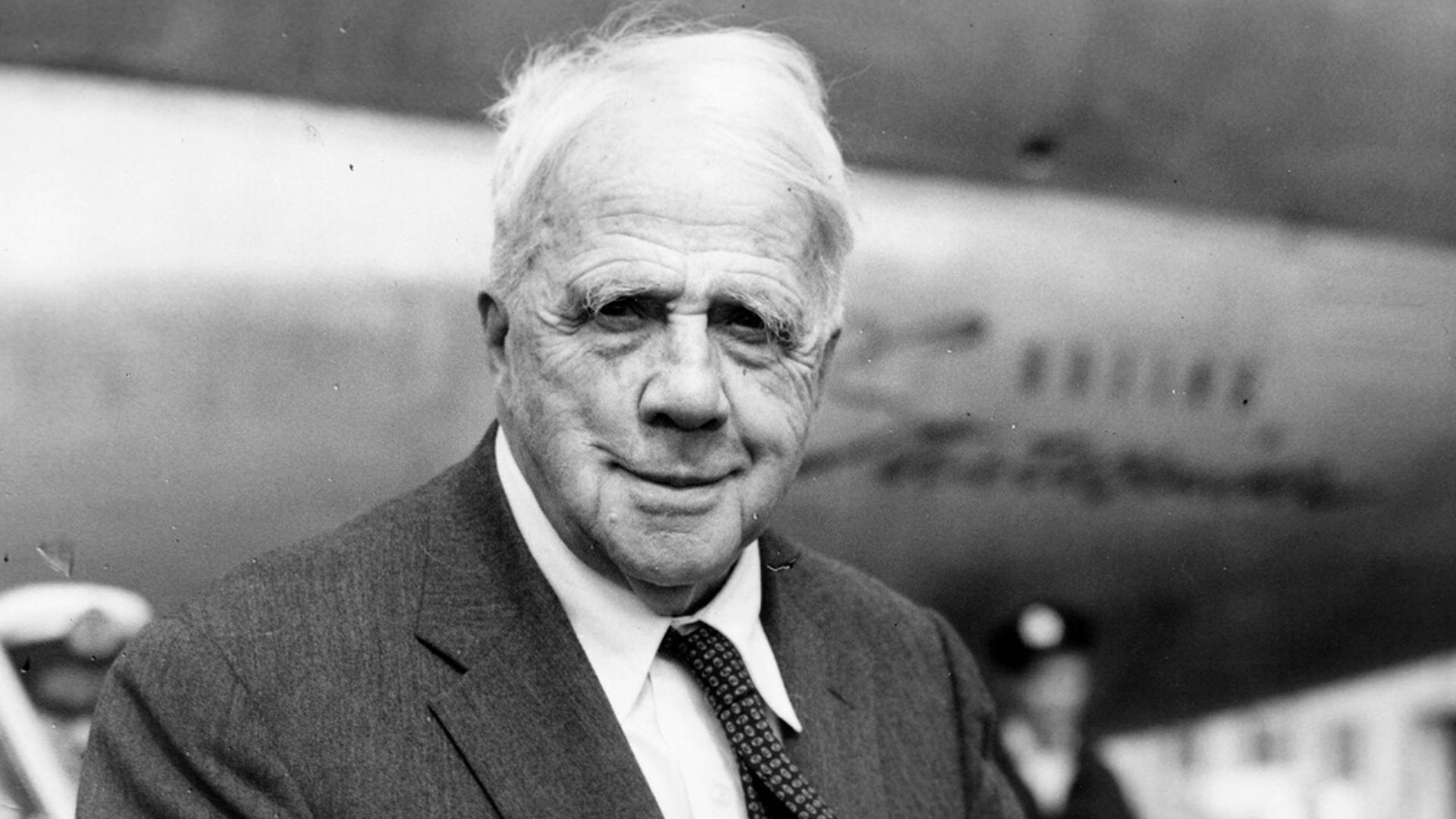

A Brook In The City
The farmhouse lingers, though averse to square
With the new city street it has to wear
A number in. But what about the brook
That held the house as in an elbow-crook?
I ask as one who knew the brook, its strength
And impulse, having dipped a finger length
And made it leap my knuckle, having tossed
A flower to try its currents where they crossed.
The meadow grass could be cemented down
From growing under pavements of a town;
The apple trees be sent to hearth-stone flame.
Is water wood to serve a brook the same?
How else dispose of an immortal force
No longer needed? Staunch it at its source
With cinder loads dumped down? The brook was thrown
Deep in a sewer dungeon under stone
In fetid darkness still to live and run --
And all for nothing it had ever done
Except forget to go in fear perhaps.
No one would know except for ancient maps
That such a brook ran water. But I wonder
If from its being kept forever under,
The thoughts may not have risen that so keep
This new-built city from both work and sleep.
I honestly hate this poem. This poem brings me back to the time of the Holocaust. Jews were being burned alive and incarcerated while the Germans just sat back watched this disaster happen. Please remove this poem from this website.
Hey Adolf-I wish it was your family getting killed you prick Jake-Yours too You people have no respect How do you hate on Jews because we're prosperous and wealthy? You have no one else to blame but yourselves for being bitter failures.
Hi Wow you all got pretty riled up about Dimitri's interesting interpretation. However the poem was first published in a 1924 collection, pre-dating the camps. I think it really may be about a brook being polluted and buried by city growth. But Dimitri, your interpretation will haunt me.
A wonderful poem so beautifully crafted and executed. Compelling images.
A very fascinating poem by the great poet and so true. Congratulations with The Modern Poem Of The Day
Excellent as Frost always is... poignant in its portrayal of nature suffering at the hands of Man.
The great poet Robert frost written this poem and I likes it
A wonderful poem by Robert Frost. The description used is amazing.




Delivering Poems Around The World
Poems are the property of their respective owners. All information has been reproduced here for educational and informational purposes to benefit site visitors, and is provided at no charge...
10/6/2026 3:05:54 AM # rel_20260925T122446Z_7d6ee41



I completely agree with you Mr. Hitler, I remember those days, all those jews that died cause they were stupid fags