
Anthem For Doomed Youth Poem by Wilfred Owen
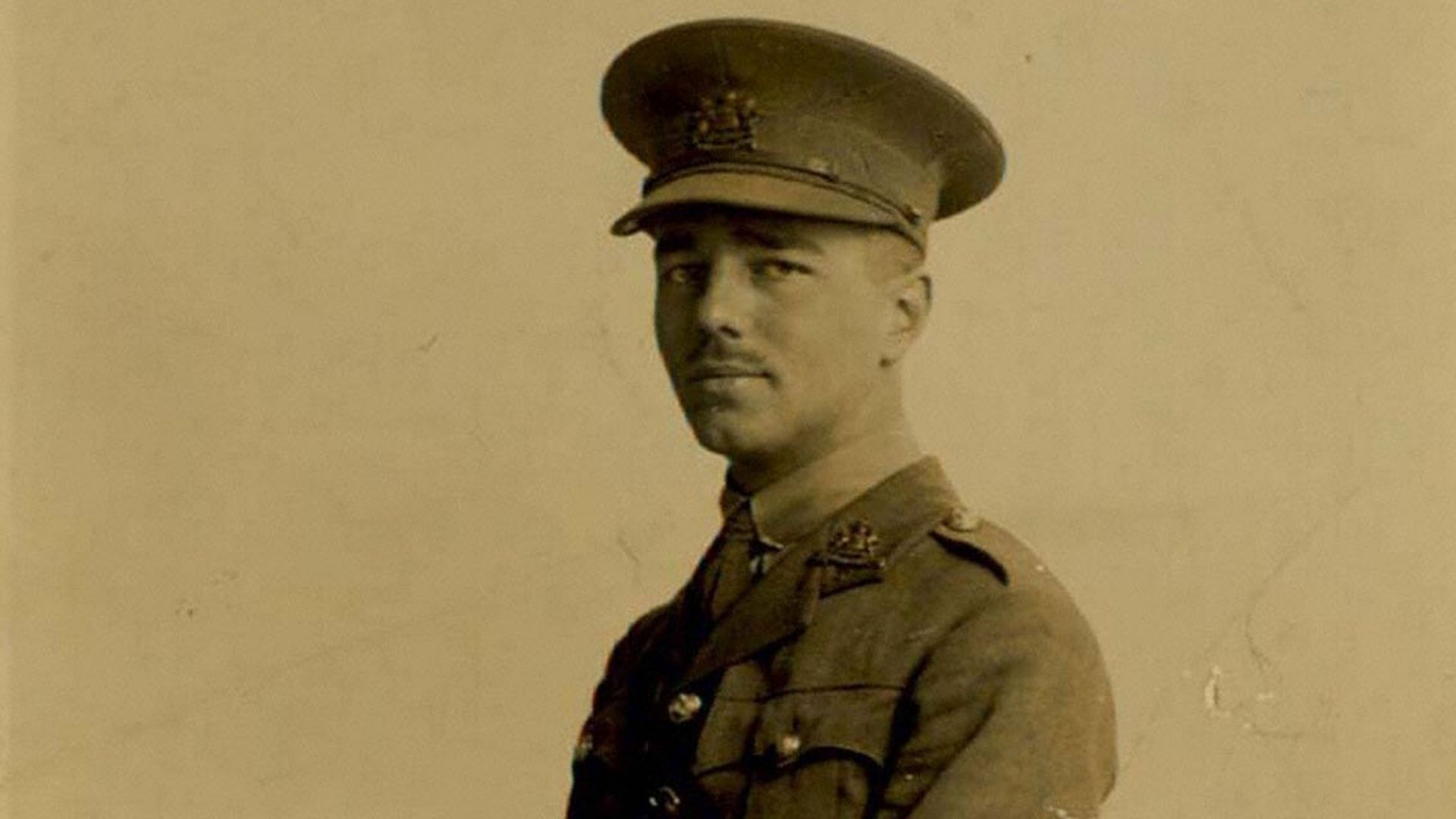

Anthem For Doomed Youth
What passing-bells for these who die as cattle?
Only the monstrous anger of the guns.
Only the stuttering rifles' rapid rattle
Can patter out their hasty orisons.
No mockeries now for them; no prayers nor bells;
Nor any voice of mourning save the choirs,
The shrill, demented choirs of wailing shells;
And bugles calling for them from sad shires.
What candles may be held to speed them all?
Not in the hands of boys, but in their eyes
Shall shine the holy glimmers of good-byes.
The pallor of girls' brows shall be their pall;
Their flowers the tenderness of patient minds,
And each slow dusk a drawing-down of blinds.
Dec16,2010 I never knew about this young poet: “Wilfred Owen” His stanzas drizzle from bleeding heaven of WWI. But I know about Armenian Genocide Our pains and tragedies That still stays unrecognized By British and United States- Those democratic parliaments seem civilized In many eyes but never Ours! Count the days passed...! I call Wilfred Owen The John Keats who wanted to silence wars If he was alive... probably could forced the British To recognize the Armenian Genocide 'One man can do many things in life more than selfish many' Sylva
Maybe you have to miss dying by a few foot-pounds of impact force to write something like this. The pallor of girls' brows shall be their pall... and shrill, demented choirs of wailing shells - singular extensions to the language. Worthy of Homer.
A powerful and touching poem. So beautifully written.
One of the best poems I have ever read, how very great the expressions encapsulates the feel of the moment...oh how I wish today’s poetry had this depth
such a great writing; beautiful poem- Shall shine the holy glimmers of good-byes. The pallor of girls' brows shall be their pall;
The monstrous anger of the guns! ! ! Thanks for sharing this poem with us.
This is beautiful poem on war having touching expression and nice collocation.
This poem has not been translated into any other language yet.
I would like to translate this poem



Delivering Poems Around The World
Poems are the property of their respective owners. All information has been reproduced here for educational and informational purposes to benefit site visitors, and is provided at no charge...
6/7/2026 4:34:08 PM # 1.0.0



This poem had an 8.5 rating among readers here-this is the poet who also penned the incredible Dulce et Decorum...how does a poem as powerful and well crafted as this get an 8.5 when I have seen lots of pablum about 'love' written by unknowns get a 10? ? Beats the heck out of me.