
Archaic Torso Of Apollo Poem by Rainer Maria Rilke
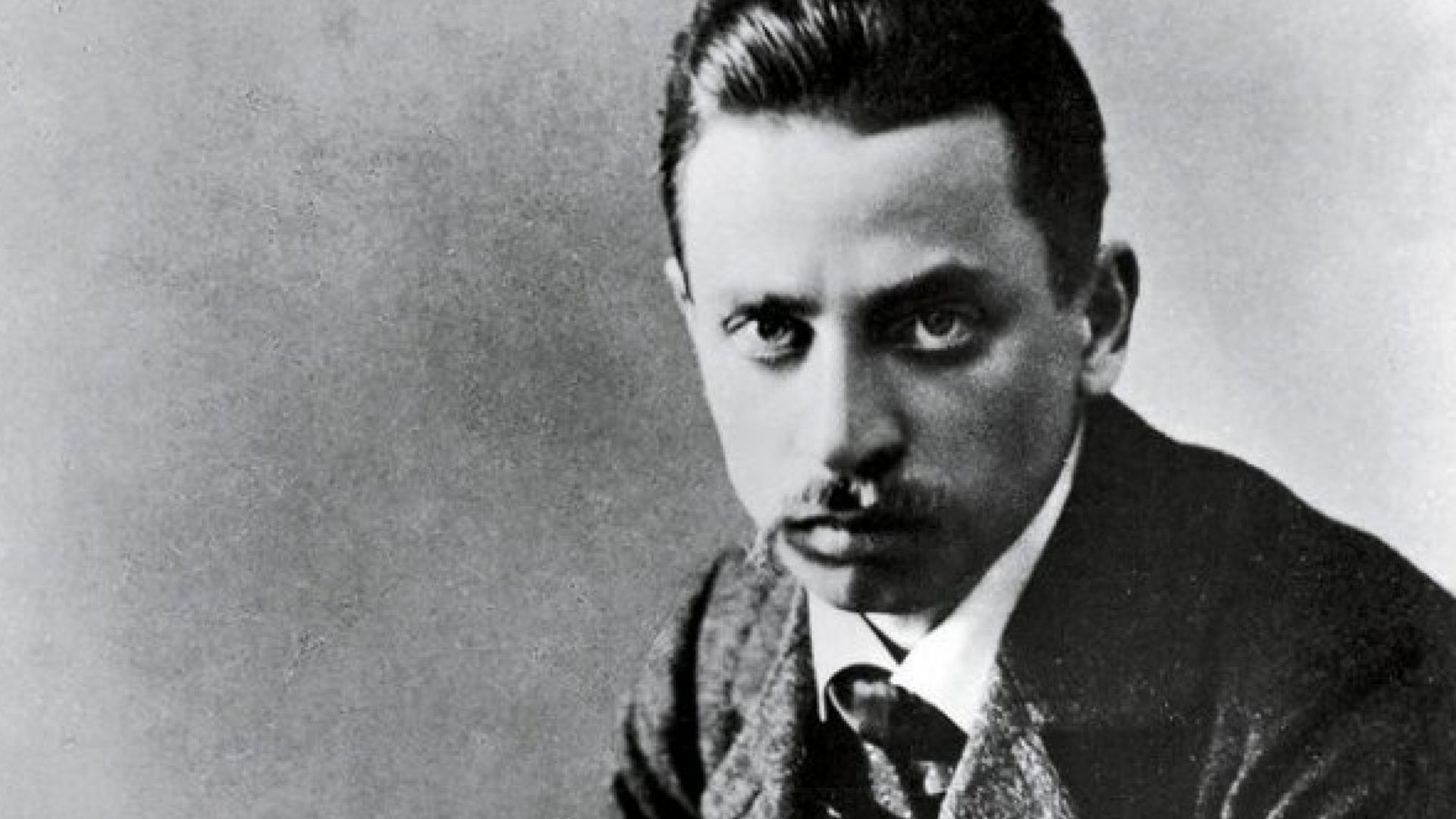

Archaic Torso Of Apollo
We cannot know his legendary head
with eyes like ripening fruit. And yet his torso
is still suffused with brilliance from inside,
like a lamp, in which his gaze, now turned to low,
gleams in all its power. Otherwise
the curved breast could not dazzle you so, nor could
a smile run through the placid hips and thighs
to that dark center where procreation flared.
Otherwise this stone would seem defaced
beneath the translucent cascade of the shoulders
and would not glisten like a wild beast’s fur:
would not, from all the borders of itself,
burst like a star: for here there is no place
that does not see you. You must change your life.
the poem seems to be suffused with the idea that a piece of art is a whole in itself. Rilke turns the beheaded Apollo into a living statue that at the end of the poem appears to be looking back at the admirer. there is this sensation that each part of the incomplete sculpture has a life of its own as the poet posits his eyes on them; and after a while this life that the poet communicates to the immobile statue is stolen by it to make a part of itself...
Rilke wrote in german. One of my favorite poems, I love the last line 'you must change your life.' Rilke was a master. His years with Rodin certainly paid off, I love how he describes the torso. Also, the inner brillance, and how when looking at a masterpiece it reminds one of greek gods.
This poem has not been translated into any other language yet.
I would like to translate this poem



Delivering Poems Around The World
Poems are the property of their respective owners. All information has been reproduced here for educational and informational purposes to benefit site visitors, and is provided at no charge...
9/16/2026 6:09:58 AM # rel_20260910T140628Z_5ffb431



Archaic Torso of Apollo We cannot know his legendary head wherein eye-apples ripened. Even so his torso's lasting candelabra-glow, in which his gaze, with light held back, instead holds fast and shines. Else scarcely would the curve of chest bedazzle you, soft gasped meanwhile loins could not draw a breath to bring a smile to that dark core of procreation's verve. If not, this stone would seem all too degraded under the shoulders to translucence faded without a glint of predatory mane; nor break the bars confining, out to range just like a star: for there is no domain hid from that gaze. It's time your life must change. (transl vzjp)
My english isn't as good as I would like it to be, but I am from the country where Rilke was born and German is my mouther's tongue. And I love Rilke. But nevertheless let me say that this translation comes as close to the words Rilke wrote as a translation could possibly come. You did a very, very good job. You catched the very spirit of the poem, and perhaps even more imporant, you brought the music of it into live in english. Rilke was kind of a composer. Rhyme, intonation, and rhythm all play a vital part in his art. Thank you so much.: -)