
At Castle Boterel Poem by Thomas Hardy
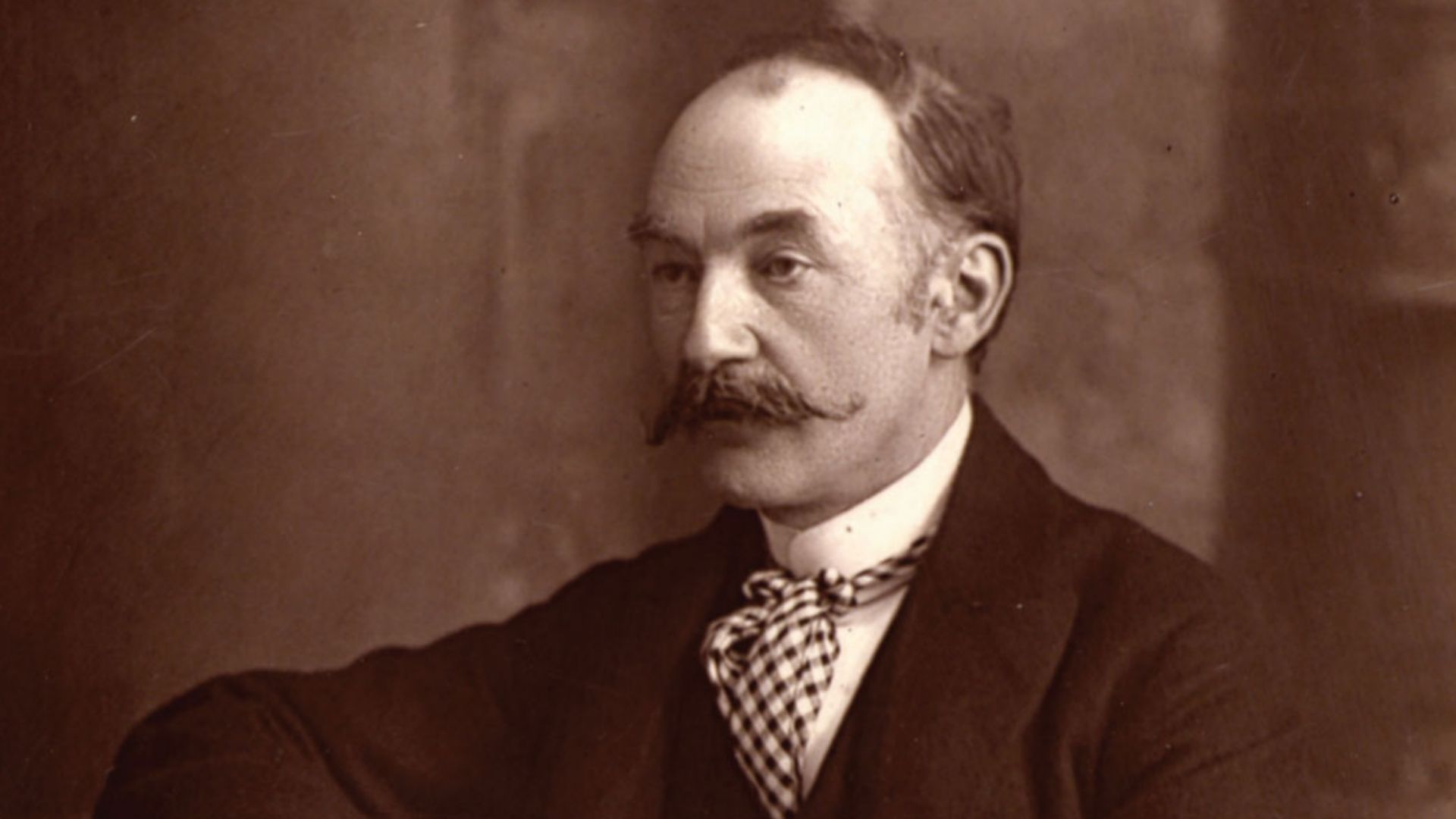

At Castle Boterel
As I drive to the junction of lane and highway,
And the drizzle bedrenches the waggonette,
I look behind at the fading byway,
And see on its slope, now glistening wet,
Distinctly yet
Myself and a girlish form benighted
In dry March weather. We climb the road
Beside a chaise. We had just alighted
To ease the sturdy pony's load
When he sighed and slowed.
What we did as we climbed, and what we talked of
Matters not much, nor to what it led, -
Something that life will not be balked of
Without rude reason till hope is dead,
And feeling fled.
It filled but a minute. But was there ever
A time of such quality, since or before,
In that hill's story? To one mind never,
Though it has been climbed, foot-swift, foot-sore,
By thousands more.
Primaeval rocks form the road's steep border,
And much have they faced there, first and last,
Of the transitory in Earth's long order;
But what they record in colour and cast
Is - that we two passed.
And to me, though Time's unflinching rigour,
In mindless rote, has ruled from sight
The substance now, one phantom figure
Remains on the slope, as when that night
Saw us alight.
I look and see it there, shrinking, shrinking,
I look back at it amid the rain
For the very last time; for my sand is sinking,
And I shall traverse old love's domain
Never again.
There will be much more insightful and erudite analysis of this little poem, both here and elsewhere, but I can not escape the overwhelming sense of loss and regret in so many lines.
I just want to add a brief note of appreciation to Jon’s perceptive comments. It is the contrast between the primaeval landscape and the transitory but personally unforgettable human experience that lies at the heart of the poem. Hardy believed that there is a human record in nature, just as there is a record of the rocks; extrapolating, I would say that there is a quite different feeling of place in historic Europe than there is, say, in North America. The form of the poem is also extremely effective, five lines in each verse, rhymed ababb, with the last couplet in each stanza subtly used for contrast or emphasis. This simple structure carries the freight of a single emotional memory in a way that is as convincing as it is unforgettable.
This, I think, is one of the most elegiac and exquisitely sad poems written by Hardy. He wrote it following visits to various locations that formed an integral part of his relationship with his deceased wife. Their relationship had soured irreparably at the time of her death- leaving him battling a certain degree of guilt and regret. In this re-visiting of old and happier scenes Hardy is possibly trying to exorcise the unhappiness of the latter years of his marriage and recapture, earlier, more fulfilling times. This device of placing a speaker in a scene to reflect-usually regretfully- on the lost moments of the past and the emptiness of the present is used often and effectively by Hardy in many of his greatest poems. Here, in 'At Castle Boterel' he creates an overpowering sense of the cruel nature of 'the transitory in earth's long order': Time moves inexorably on, impervious to the little lives of the young lovers who have climbed the hill in the hgh summer of their love, and the lone, lost, ageing survivor of that relationship climbing it now as his 'sand is sinking'. Yet there is hope in this counter-balancing of Times 'mindless rote' with the 'time of such quality', however transitory, in the lives of the young lovers when they climbed the hill together in the distant past. Each human relationship is unique, and despite the endless procession of people with their varying stories who have climbed that hill, in the mind of the speaker, his brief role in that hill's story supersedes all others. Time is fleeting, cruel, uncaring, rolls inexorably on: it is in the small, almost forgotten moments of human life that we find meaning and fulfillment.
This poem has not been translated into any other language yet.
I would like to translate this poem



Delivering Poems Around The World
Poems are the property of their respective owners. All information has been reproduced here for educational and informational purposes to benefit site visitors, and is provided at no charge...
5/1/2024 6:04:01 PM # 1.0.0.1119



Sorry, I meant to add, I have always loved this poem, even as a child, when I didn't really know what loss was or how it might feel. Sadly having recently buried my father, and broken up with my girlfriend, I now know only too well what these once alien emotions are, and how they envelop you.