
A Dying Tiger&Mdash;Moaned For Drink Poem by Emily Dickinson
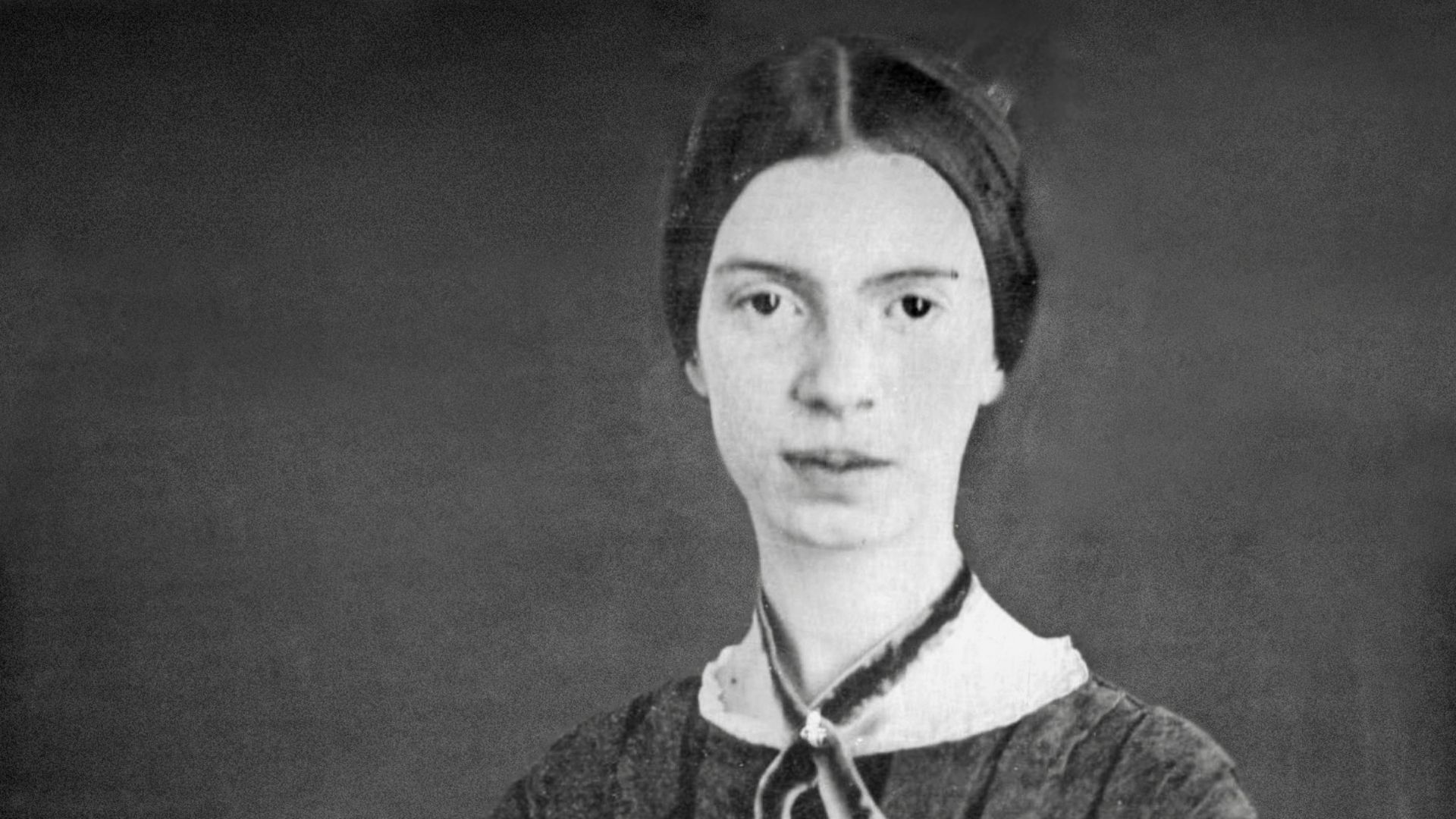

A Dying Tiger&Mdash;Moaned For Drink
566
A Dying Tiger—moaned for Drink—
I hunted all the Sand—
I caught the Dripping of a Rock
And bore it in my Hand—
His Mighty Balls—in death were thick—
But searching—I could see
A Vision on the Retina
Of Water—and of me—
'Twas not my blame—who sped too slow—
'Twas not his blame—who died
While I was reaching him—
But 'twas—the fact that He was dead—
Did Ms. Dickinson pray to revive a tiger who might well have seen her as prey? Assuaging guilt and balancing it against the savage law of survival, Ms. Dickinson did cup her hand with only drops of water from a stone, not nearly enough to corporally save a tiger so, such drops could only be a baptismal appeal to enlighten the savage. The imagery is a little less sharp than usual for one of the most lucid poets I have ever read as it is unlikely it was forged from actual experience. Whether she found inspiration for this poem from watering her lilies or not, I say wonderful to this dear, gentle, gifted soul.
Emily Dickinson wrote poetry for herself; she didn't seek publication, notoriety, fame. She led a rather insular life, and from there, her imagination supplied the grist for her material. I love that her poetry is free of ego and vanity.
Yes peoples! She is speaking of the tigers eyeballs! Lol. I really love the first two stanzas but for some reason I find the whole last one just doesn't resonate well with the first two. I think she could have come up with a better way to end the piece while still having him die in the end. Love your little ditty there Capt'n! ! ! !
All praises have been said already by many poets here.. I only have to say that this poem has given me an any-time visual of the content to my heart....you are ever a great poet Emily
A superb poem displaying the role of the destiny and reiterating the saying man proposes but god disposes. Thanks for sharing it here.
Emily Dickinson wrote many poems that explored this theme of “too little too late, ” It is a sad end when you try so hard to make a difference in life but she knew that was the more likely outcome to her attempt to change the course of fate. I enjoyed her words: sped too slow twas not his blame- who died. Emily can have a fairly tart outlook- she is not all peaches and cream by any means
Emily's poems were not conventional as these were written solely for the purpose of expressing herself. In seeking publication it appears that her motive was more to be have some acknowledgement of her emotions than just fame. Reading her biography she appears to be a highly sensitive person who lived with herself much more than others. She observed everything very thoroughly and attached herself with little events so much so that she could see poetry everywhere. With this reference if we reflect on her current poem - She is talking about a man she thought of as very strong and is referring here as Tiger. Somewhere the two shared a very strong bond of trust. Emily tried all she could while dying tiger carried the vision of Emily and what she carried with herself (reference of water) which was so precious to the dying master and he craved for in his last breath. Most probably she felt it was wrong thing to happen that they could not meet before his death but her intelligence told her that it was no one's fault. So it appears that she abruptly ended the poem as she could not convince herself entirely with what she wrote in last para.
This poem has not been translated into any other language yet.
I would like to translate this poem



Delivering Poems Around The World
Poems are the property of their respective owners. All information has been reproduced here for educational and informational purposes to benefit site visitors, and is provided at no charge...
4/24/2024 12:41:59 PM # 1.0.0.1119



Unique picturisation of a stronger in helpless moment of its evaporation. Documentation of a death depicts the poetic strength of an word-artist. Diction with its ultimate message makes the reader much conscious about a timeless creation in poetic field........ 'Twas not my blame—who sped too slow— 'Twas not his blame—who died While I was reaching him— But 'twas—the fact that He was dead— Yes, the fact is that, no one is much powerful than death. And it happens, when time comes whether it be a wild tiger or a little mouse.