
A Minor Bird Poem by Robert Frost
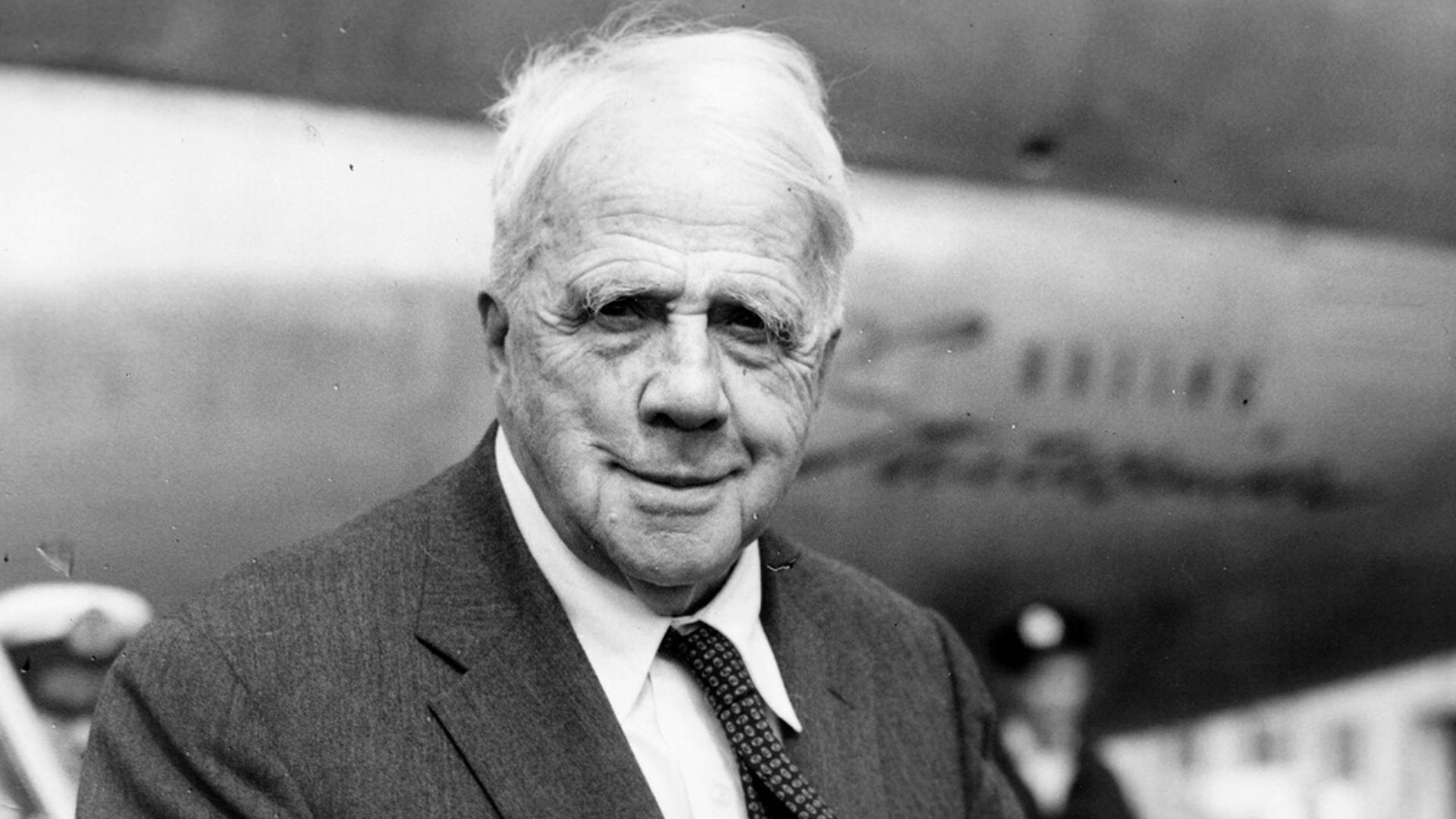

A Minor Bird
I have wished a bird would fly away,
And not sing by my house all day;
Have clapped my hands at him from the door
When it seemed as if I could bear no more.
The fault must partly have been in me.
The bird was not to blame for his key.
And of course there must be something wrong
In wanting to silence any song.
i think its about how poor people suffer in this world. In this poem, the poet has used the word Minor with the intention of referring to poor people. the rich person shows very little appetite in listening to what poor says. he wants to chase away the poor person. But soon after accomplishing his sinister objective, he realizes that he has done something wrong. the rich person tells to himself that for there to be poor people, something wrong has been done by the rich persons in this society and we cannot simply put the blame on poor people. finally the poet tells to himself that if rich people wants to stop crying of these humbles, necessarily there should be something wrong with the society. At this particular time, even though he represents rich, he comes out of his inherited class and looks at rich persons in a questioning mind.
awesome poem..so simple yet so beautiful a true masterpiece.. :)
Another meaning that came to mind is that the bird, as in Maya Angelou's 'Caged Bird', is the metonymy for the people and his song is his voice. The people raise their voice to protest or to express their views on the social injustices of this time. But the speaker/poet is tired or feels annoyed to hear this all day long. So he does something to scare away the people expressing their views. Perhaps he wrote something to counter their views. He feels it is their right to air their discontent or views, so he feels guilty for his actions as he knows he is going against democracy and the principles of 'freedom of speech'.
I think this poem is actually straightforward, rather than allegorical. We don't always like the things we think we ought to like, and are internally conflicted and guilty.
The famous poet had greatest self-awareness, so magnificently ended with: And of course there must be something wrong In wanting to silence any song.5 Great STARS.
And of course there must be something wrong In wanting to silence any song. /// The minor bird is the hidden poetic mind which wanna fly more high or flee away from the chaotic life; the poetic mind wanna sing but sometimes it feels good in silence- Who will say what should be done of this poetic mind
I have wished a bird would fly away, And not sing by my house all day; /// I wish the bird would be master genius like this poet
Songs of the bird! Muse of your mind. Thanks for sharing this poem with us.




Delivering Poems Around The World
Poems are the property of their respective owners. All information has been reproduced here for educational and informational purposes to benefit site visitors, and is provided at no charge...
3/10/2026 5:33:41 PM # 1.0.0



what a great poem...it made my blood go faster into my veins...