
Domination Of Black Poem by Wallace Stevens
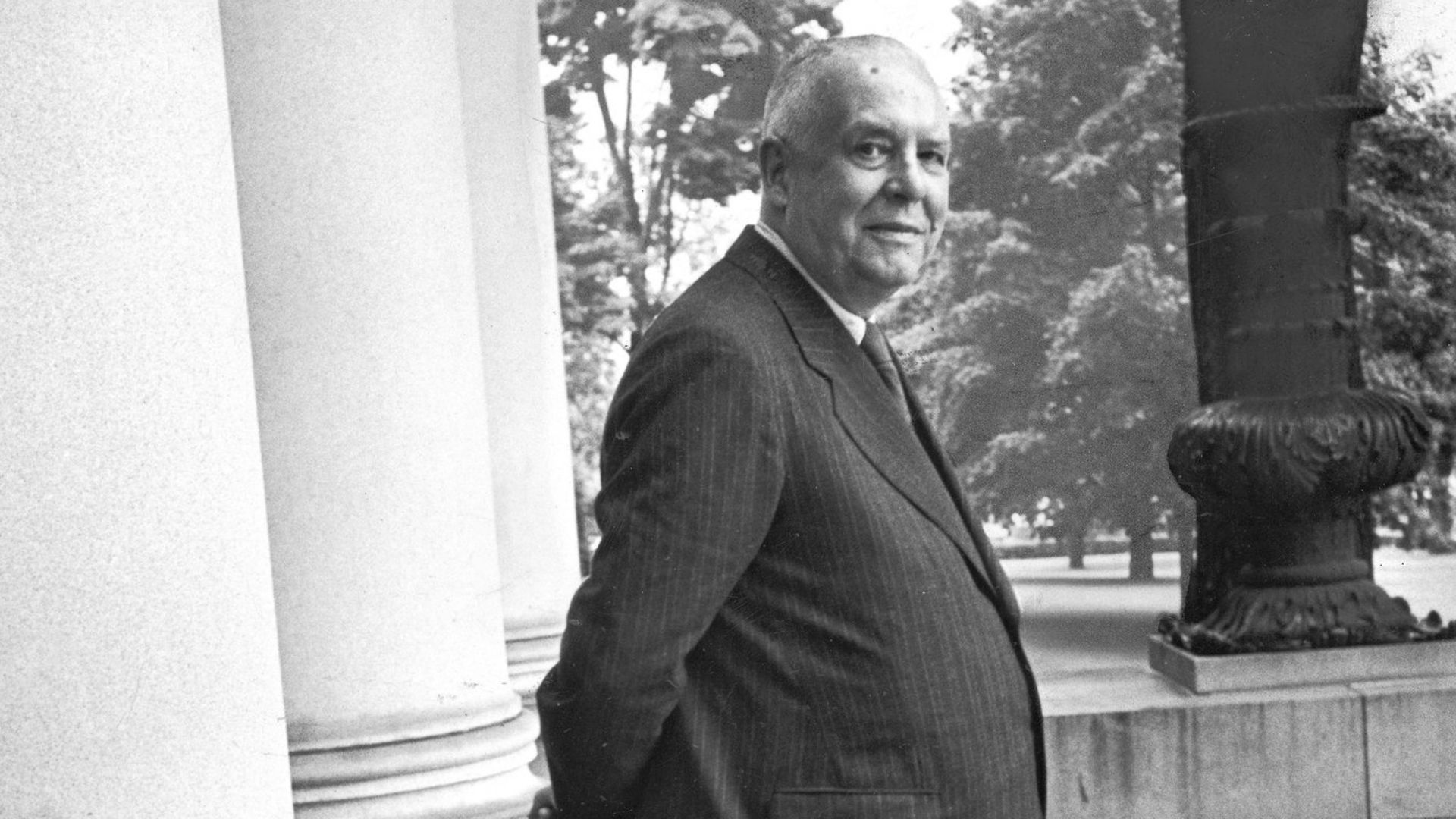

Domination Of Black
At night, by the fire,
The colors of the bushes
And of the fallen leaves,
Repeating themselves,
Turned in the room,
Like the leaves themselves
Turning in the wind.
Yes: but the color of the heavy hemlocks
Came striding.
And I remembered the cry of the peacocks.
The colors of their tails
Were like the leaves themselves
Turning in the wind,
In the twilight wind.
They swept over the room,
Just as they flew from the boughs of the hemlocks
Down to the ground.
I heard them cry -- the peacocks.
Was it a cry against the twilight
Or against the leaves themselves
Turning in the wind,
Turning as the flames
Turned in the fire,
Turning as the tails of the peacocks
Turned in the loud fire,
Loud as the hemlocks
Full of the cry of the peacocks?
Or was it a cry against the hemlocks?
Out of the window,
I saw how the planets gathered
Like the leaves themselves
Turning in the wind.
I saw how the night came,
Came striding like the color of the heavy hemlocks
I felt afraid.
And I remembered the cry of the peacocks.
I really don't know why but this left a silly smile on my face, and a crying feeling in my heart - it's so great to love (live) the poetry..
inter-connectivity: each image repositioned inside concludes with a mosaic hand woven in the mind.
The colour of the bushes! ! Thanks for sharing this poem with us.
This poem has not been translated into any other language yet.
I would like to translate this poem



Delivering Poems Around The World
Poems are the property of their respective owners. All information has been reproduced here for educational and informational purposes to benefit site visitors, and is provided at no charge...
10/5/2026 2:53:43 AM # rel_20260925T122446Z_7d6ee41



I would suggest that this poem is about mortality.