
Mutability Poem by Percy Bysshe Shelley
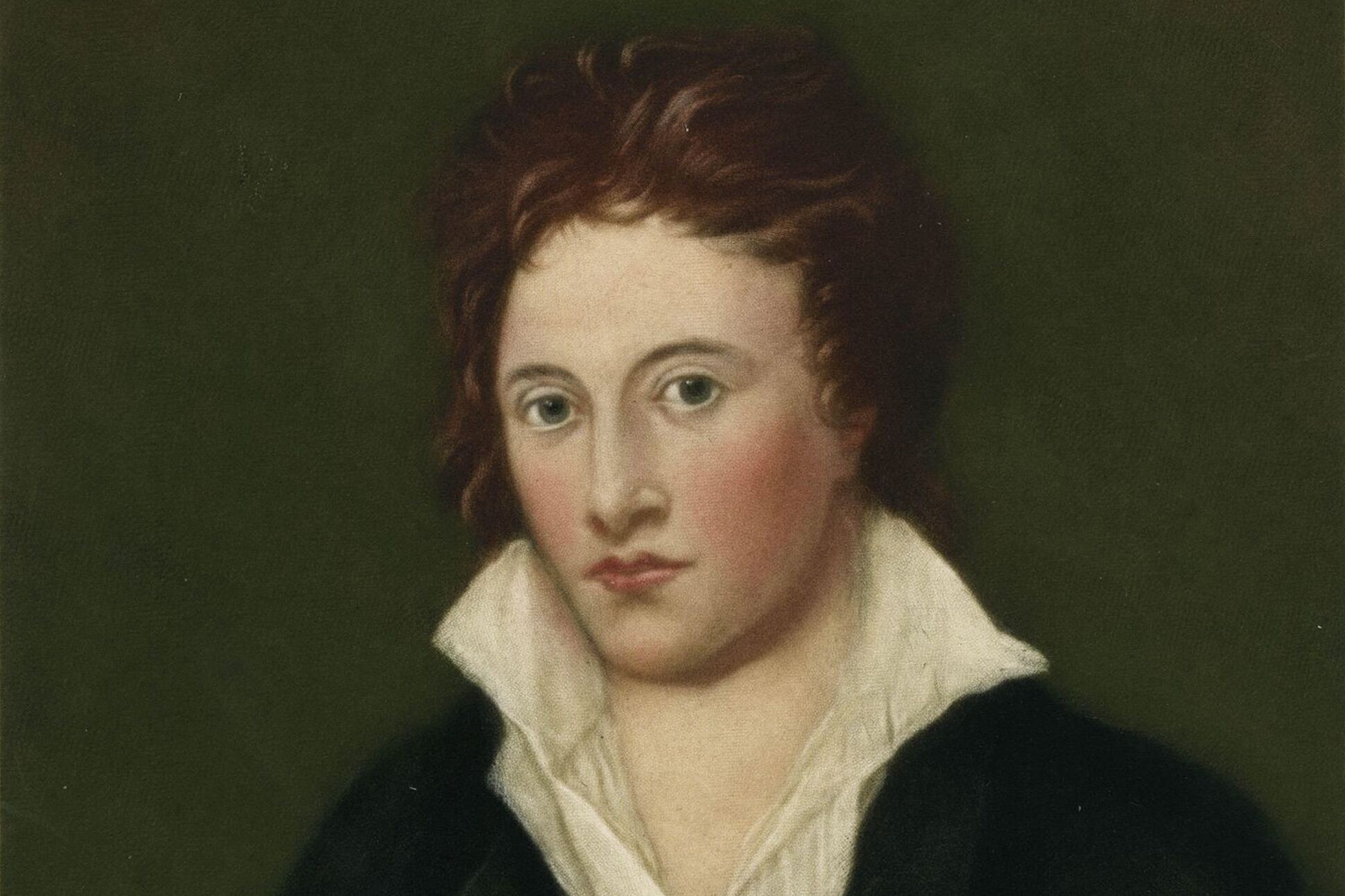

Mutability
We are as clouds that veil the midnight moon;
How restlessly they speed, and gleam, and quiver,
Streaking the darkness radiantly!--yet soon
Night closes round, and they are lost forever:
Or like forgotten lyres, whose dissonant strings
Give various response to each varying blast,
To whose frail frame no second motion brings
One mood or modulation like the last.
We rest.--A dream has power to poison sleep;
We rise.--One wandering thought pollutes the day;
We feel, conceive or reason, laugh or weep;
Embrace fond woe, or cast our cares away:
It is the same!--For, be it joy or sorrow,
The path of its departure still is free:
Man's yesterday may ne'er be like his morrow;
Nought may endure but Mutability.
Mutability by Percy Bysshe Shelley is a poem addressing how change and alteration effect human beings and our lives. In stanza one ‘We are the clouds that veil the midnight moon; ’ the metaphor of clouds describes our mutability. The lines ‘How restlessly they speed, and gleam, and quiver, /Streaking the darkness radiantly! —’ reflects upon how our lives are prone to inconstant yet frequent change, yet swiftly pass. Clouds are constantly changing as do we, through various stages of our lives, until ‘soon /Night closes round, and they are lost forever: ’; clouds perish, disappear as do we ‘lost forever’ in death. The simile of the lyre is various images of old age, ‘like forgotten lyres, whose dissonant strings’ observes failing abilities and the forgotten elderly with ‘frail frame’. Days of inactive, sitting, pondering, frequent naps is ‘One mood or modulation like the last.’ We rest rise to feel the emotions of perception in joy or sadness, in the degrees of experience, as Shelley describes, but ‘It is the same! ’; because regardless of how we live or what we experience, all inevitably leads to death. In the mutability of our lives, there are moments when opposing forces of change, may match or negate one another, but ‘Nought may endure but Mutability.’ The theme of ‘Mutability’ is perpetual change.
Shelley at his game again. As a person always distraught and saddened, he reflects upon the ephemeral human feeling and mood. He claims that man is a capricious and unpredictable creation, and that just like his joys will pass, his sorrows will pass with the same speed. Concise outlook on a deep topic.
the whole poem is symbolic. it urges the man kind to do something. it is such nice poem.
There is a flow of life that goes on day to day. The bottom line is change can displace and leave only the concept of mutability left to languish.
Great theme and the exploration is deep and sublime.
CONGRATULATIONS being chosenby Poem Hunter and Team as The Classic Poem Of The Day. Hooray! TOP marks!
TWO: and people get tossed around by their ever-changing feelings like ships on a stormy sea.
ONE: This poem by the English Romantic poet Percy Bysshe Shelley, reflects on the power of change. The poem suggests that change is the only thing in the world that doesn't change,
Or like forgotten lyres, whose dissonant strings Give various response to each varying blast, To whose frail frame no second motion brings One mood or modulation like the last.
This poem has not been translated into any other language yet.
I would like to translate this poem



Delivering Poems Around The World
Poems are the property of their respective owners. All information has been reproduced here for educational and informational purposes to benefit site visitors, and is provided at no charge...
9/14/2026 10:16:55 PM # rel_20260910T140628Z_5ffb431



Mutability by Percy Bysshe Shelley is a poem addressing how change and alteration effect human beings and our lives. In stanza one ‘We are the clouds that veil the midnight moon; ’ the metaphor of clouds describes our mutability. The lines ‘How restlessly they speed, and gleam, and quiver, /Streaking the darkness radiantly! —’ reflects upon how our lives are prone to inconstant yet frequent change, yet swiftly pass. Clouds are constantly changing as do we, through various stages of our lives, until ‘soon /Night closes round, and they are lost forever: ’; clouds perish, disappear as do we ‘lost forever’ in death. The simile of the lyre is various images of old age, ‘like forgotten lyres, whose dissonant strings’ observes failing abilities and the forgotten elderly with ‘frail frame’. Days of inactive, sitting, pondering, frequent naps is ‘One mood or modulation like the last.’ We rest rise to feel the emotions of perception in joy or sadness, in the degrees of experience, as Shelley describes, but ‘It is the same! ’; because regardless of how we live or what we experience, all inevitably leads to death. In the mutability of our lives, there are moments when opposing forces of change, may match or negate one another, but ‘Nought may endure but Mutability.’ The theme of ‘Mutability’ is perpetual change.