Jos De Haes
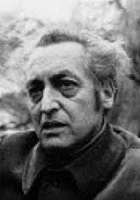

Jos De Haes Poems
Things I've never understood,
not the dynamo, not hate,
not the skill of a pinch that was good.
Or Christ - but for that it's too late.
...
In between two Brabantine hills
history is ground down to dirt.
No stone, no clod but has a sense,
but it has hart a hand, a heart.
...
Navel of God's earth. From our seat
we hear sparrow hawks descend and drink.
The sound's like metals that clink
and melt in an azure heat.
...
Washed up with the layer of today,
bleeding over the slivers of schist,
we flow down asleep on our way,
our pores filled with seed and yeast.
...
Is a well amid wet grass the road abuts.
A layer of humus where oak beams once stood
gives two clumps of wild loosestrife the guts
to stand up tall like trees within a wood.
...
Jos De Haes Biography
The Flemish poet Jos de Haes (1920-1974) left a modest, idiosyncratic, body of work that stubbornly eludes all pigeonholing in movements and fashions. His work combines elements from traditional poetry with the achievements of modernism. His study of Classical languages and associated travel to Greece left a clear mark on his poetry. De Haes translated work by Pindar and Sophocles and in his poetry constantly refers to Classical mythology (Delphi, Medea, the Sibyl, Plato …).)
The Best Poem Of Jos De Haes
Evening and morning I
Things I've never understood,
not the dynamo, not hate,
not the skill of a pinch that was good.
Or Christ - but for that it's too late.
The drool of a hairy goat's lip,
the warmth of piglets ‘neath an apple tree
that are well made from their father's rib
are enough to lie by for me
at night. But when I build stooks at morn
with my workmates at master's call,
what am I then, how do I stand there
suddenly booted, laced with knots,
a thinly branched bush of thorn
against a whitewashed wall,
like a Cretan I stand and stare
at glowing Whitsun polyglots.
Translated by Paul Vincent
Jos De Haes Comments




Delivering Poems Around The World
Poems are the property of their respective owners. All information has been reproduced here for educational and informational purposes to benefit site visitors, and is provided at no charge...
4/5/2026 2:51:12 PM # 1.0.0