Haji Poem by Va sidheeq Palakkad

Haji

Hajji (Translated from Malayalam)

Will settled,
he stepped down for the journey.
Narayana's courtyard—
empty now.

The elder son's gift,
the younger's too,
still fell short.
So she unfastened the earring,
her only jewel,
now her ears bear
no glint of gold.

Of the ones who arrived yesterday,
some never left—
they lingered on the threshold.
Birds that flew away
filled the abandoned nests.

The daily scrap of bread
he used to offer
to squirrels and hens,
scattering,
leaping—
now lies uneaten,
and in one corner of the yard,
the herb he used
to tame his sugar
still grows alone.

Those who oversee the westbound list
have now made it known.
The one who left,
his shadow never turned back—
word of him spread
by the caretakers.

The next day,
whispers traveled:
among those who left,
he too was one.
Companions once close
could hardly believe.

At the teashop,
amid sharp debates
and hushed consultations—
they came,
they saw,
and wondered deeply.

The one who once
clasped his hand,
closed his eyes, and said:
'This must be done, '
now came again in a dream,
in Makkah—
by the Kaʿbah itself.

'Send my peace, '
'Speak to the Divine, '
Mother's words—
though spoken from dust,
will not be lost.

Some force,
surely, had arranged this all.
He had poured out his heart,
spoke his every wish—
and there,
in that sacred place,
his soul dissolved
like a prayer.

There is no return—
but has Makkah forgotten me?

Arrival,
unannounced—
to a thatched home
without welcome.
A strange unease.

I, who died,
smiled alongside those who came laughing.
He held the karak tight,
and Narayana
called out with joy.

And the souls,
in chorus,
echoed the One's call—

Hajji… Hajji…
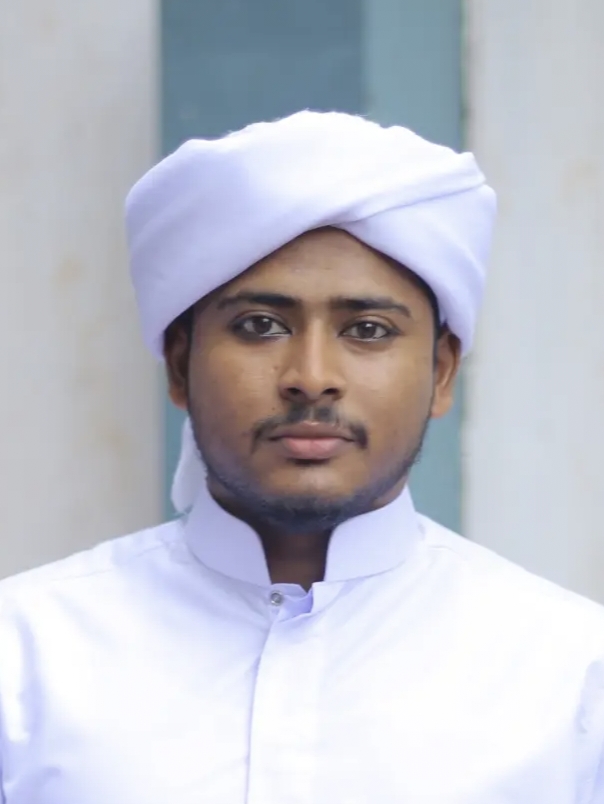
Haji
POET'S NOTES ABOUT THE POEM
Hajji (Translated from Malayalam) Will settled, he stepped down for the journey. Narayana's courtyard— empty now. The elder son's gift, the younger's too, still fell short. So she unfastened the earring, her only jewel, now her ears bear no glint of gold. Of the ones who arrived yesterday, some never left— they lingered on the threshold. Birds that flew away filled the abandoned nests. The daily scrap of bread he used to offer to squirrels and hens, scattering, leaping— now lies uneaten, and in one corner of the yard, the herb he used to tame his sugar still grows alone. Those who oversee the westbound list have now made it known. The one who left, his shadow never turned back— word of him spread by the caretakers. The next day, whispers traveled: among those who left, he too was one. Companions once close could hardly believe. At the teashop, amid sharp debates and hushed consultations— they came, they saw, and wondered deeply. The one who once clasped his hand, closed his eyes, and said: " This must be done, " now came again in a dream, in Makkah— by the Kaʿbah itself. " Send my peace, " " Speak to the Divine, " Mother's words— though spoken from dust, will not be lost. Some force, surely, had arranged this all. He had poured out his heart, spoke his every wish— and there, in that sacred place, his soul dissolved like a prayer. There is no return— but has Makkah forgotten me? Arrival, unannounced— to a thatched home without welcome. A strange unease. I, who died, smiled alongside those who came laughing. He held the karak tight, and Narayana called out with joy. And the souls, in chorus, echoed the One's call— Hajji… Hajji… Give me short about of this poem Show thinking This poem, 'Hajji, ' speaks of a man who undertakes the Hajj pilgrimage to Makkah, a journey of profound spiritual significance from which he does not return. It poignantly captures the sense of loss and emptiness his absence creates in his home and community. The poem begins with his departure, leaving behind a quiet courtyard. His wife's sacrifice of her only gold earring to fund his journey highlights the depth of their commitment. In his absence, life's small routines are broken—the food he left for the squirrels and hens lies untouched, and the medicinal herb he used grows untended. News of his death in Makkah arrives indirectly, first through official lists and then as whispers that spread through the community, met with disbelief by his close companions. The poem touches on the collective memory and the shared grief of those who knew him. A dream sequence reveals a spiritual culmination for the man, finding peace and fulfillment by the Kaʿbah, his soul dissolving 'like a prayer' in the holy city. His mother's words, spoken 'from dust, ' find their meaning in his final, sacred moments. The poem concludes with a surreal return, not of the man in body, but of his spirit or memory. He is an unseen presence, a 'Hajji' whose name now echoes among the souls, suggesting a transcendent and eternal peace. The final lines blend the joy of his spiritual arrival with the sorrow of his physical departure, leaving a powerful sense of reverence and mystery.
COMMENTS OF THE POEM
READ THIS POEM IN OTHER LANGUAGES
Poems By Va sidheeq Palakkad
Close
Error Success