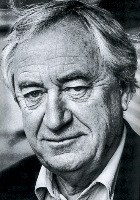

Cees Nooteboom Biography
Cees Nooteboom (born 31 July 1933) is a Dutch novelist, poet, and journalist. He has won numerous literary awards and has been mentioned as a candidate for the Nobel Prize in literature.
Life
Cornelis Johannes Jacobus Maria "Cees" Nooteboom is born on 31 July 1933 in The Hague, Netherlands.
Nooteboom was born in The Hague, where his father was killed by a British air raid in 1945. After his mother remarried in 1948, his Catholic stepfather enrolled Nooteboom in several religious secondary schools, including a Franciscan school in Venray and a school run by the Augustinians in Eindhoven. He finished his secondary education at a night school in Utrecht.
After his first job with a bank in Hilversum, Nooteboom traveled throughout Europe. In addition to his writing, he has worked for the weekly magazine Elsevier from 1957 to 1960 and at the newspaper de Volkskrant from 1961 to 1968. In 1967, he became the travel editor of the magazine Avenue.
Nooteboom hired on as a sailor on a freighter to Surinam in 1957 in order to ask for the hand of his first wife, Fanny Lichtveld. They divorced in 1964. Some of his experiences are recounted in the book De verliefde gevangene (1958). He was also in a relationship with the singer, Liesbeth List. Currently he is married to Simone Sassen and divides his time between Amsterdam and the island of Minorca.
In addition to his many literature awards, Nooteboom was awarded honorary doctorates from Radboud University in Nijmegen in 2006 and the Free University of Berlin in 2008.
Literary works
Nooteboom's first novel, Philip en de anderen (Philip and the Others, 1988), was published in 1954 and won the Anne Frank Prize. His second novel, De ridder is gestorven (The Knight Has Died, 1990), published in 1963, was to remain his last for 17 years. In 1980, his novel Rituelen (Rituals, 1983) brought him wide acclaim in the Netherlands and won the Pegasus Prize. It was also his first translated into English. Other novels include Een lied van schijn en wezen (A Song of Truth and Semblance, 1984); Allerzielen (All Souls' Day, 2001) and Paradijs verloren (Paradise Lost, 2007). His best-known work to English-speaking audiences is perhaps The Following Story (Het volgende verhaal, 1991), which was written for the Dutch Boekenweek in 1991 and won him the Aristeion Prize in 1993.
Nooteboom is also a well-known travel writer. Some of his travel books include Een middag in Bruay, Een nacht in Tunesië, and De omweg naar Santiago (Roads to Santiago, 1997); this book inspired the musical work "Six Glosses" (2010) by Spanish composer Benet Casablancas. His experiences living in Berlin are detailed in the book Berlijn 1989-2009, which is a collection of his earlier books Berlijnse notities and Terugkeer naar Berlijn and new material.
The book De omweg naar Santiago'' inspired several Spanish and Dutch composers, and has been the subject of the tournée of concerts celebrated in 2010 in The Netherlands by the Ensemble 88 from Maastricht.
1
Oude man tussen het riet achterdocht van de dichter.
Hij gaat op weg naar het Noorden hij maakt een boek met zijn ogen.
Hij schrijft zichzelf op het water hij is zijn meester verloren.
Liefde alleen in de dingen uit wolken en winden gesneden.
Dit is zijn roeping zijn vrienden bezoeken tot afscheid.
Schedels en lippen vergaren onder wuivende luchten.
Altijd de kus van het oog vertaald in de dwang van de woorden.
Zeventien het heilig getal waarin de verschijning bestemd wordt.
Het voorbije verteren bevriest zo versteend als een vlinder.
In een marmer getij de geslepen fossielen.
Hier kwam de dichter voorbij op zijn reis naar het Noorden.
Hier kwam de dichter voor altijd voorgoed voorbij.
2
Wij kennen de poëtische poëzie de gemene gevaren
Van maanziek en zangstem. Gebalsemde lucht is het,
Tenzij je er stenen van maakt die glanzen en pijn doen.
Jij, oude meester, sleep de stenen
Waar je een lijster mee dood gooit.
Jij sneed uit de wereld een beeld dat je naam draagt.
Zeventien stenen als pijlen een school doodse zangers.
Zie bij het water het spoor van de dichter
Op weg naar het binnenste sneeuwland. Zie hoe het water het uitwist
Hoe de man met de hoed het weer opschrijft
En water en voetstap bewaart, de vergane beweging steeds stilzet,
Zodat wat verdween er nog is als iets dat verdween.
3
Nergens in dit heelal heb ik een vaste woonplaats
Schreef hij op zijn hoed van cypressen. De dood nam zijn hoed af,
Dat hoort zo. De zin is gebleven.
Alleen in zijn gedichten kon hij wonen.
Nog even en je ziet de kersebloesems in Yoshino.
Zet je sandalen maar onder de boom, leg je penselen te rusten.
Berg je stok in je hoed, vervaardig het water in regels.
Het licht is van jou, de nacht ook.
Nog even, cypressehoed, en ook jij zult ze zien,
De sneeuw van Yoshino, de ijsmuts van Sado,
Het eiland dat scheepgaat naar Sorën over grafstenen golven.
4
De dichter is een gemaal door hem wordt het landschap van woorden.
Toch denkt hij net als jij en zien zijn ogen hetzelfde.
De zon die verongelukt in de bek van het paard.
De buitenste tempel van Ise het strand van Narumi.
Hij vaart in het zeil van de rouw hij koerst naar zijn opdracht.
Zijn kaken malen de bloemen tot de voeten van verzen.
De boekhouding van het heelal zoals het zich dagelijks voordoet.
In het Noorden kent hij zichzelf een hoop oude kleren.
Als hij is waar hij nooit meer zal zijn lees jij zijn gedichten:
Hij schilde komkommers en appels hij schildert zijn leven
Ook ik ben verleid door de wind die de wolken laat drijven.
...
1
Old man among the reeds mistrust of the poet.
He is on his way to the North he is making a book with his eyes.
He is writing himself upon the water he has lost his master.
Love only in things cut out of clouds and winds.
This his calling to visit his friends take leave.
Under fluttering breezes to gather skulls and lips.
Always the eye's kiss translated into the words' drive.
Seventeen the sacred number in which coming-forth is ordained.
To digest the past frozen stony as a butterfly.
Polished fossils in a marble tide.
Here passed by the poet on his journey to the North.
Here passed by the poet finally forever.
2
We know poetic poetry the common dangers
of moonstruckness, bel canto. Embalsamed air, that is all,
unless you turn it into pebbles that flash and hurt.
You, old master, polish the pebbles
that you fling to bring down a thrush.
Out of the world you cut an image that bears your name.
Seventeen pebbles for arrows a school of deathly singers.
See by the waterside the track of the poet
on his way to the innermost snowland. See how the water erases it
how the man with the hat inscribes it again
preserves water and footprint, capturing the movement that has passed,
so that what vanished is still there as something that vanished.
3
Nowhere in this universe have I a fixed dwelling
he wrote on his cypress hat. Death took off his hat,
as should be. The sense has remained.
Only in his poems could he dwell.
Just a little while and you will see the cherry blossoms of Yoshino.
Leave your sandals under the tree, lay your brushes aside.
Wrap your stick in your hat, build up the water in lines.
The light is yours, night too.
A while longer the cypress hat and you too will see them,
the snows of Yoshino, the ice cap of Sado,
the island that takes ship to Soren over gravestone waves.
4
The poet is a milling through him the landscape is turned into words.
Yet he thinks just like you and his eyes see the same.
The sun coming to grief in the mouth of the horse.
The outermost temple of Ise the beach of Narumi.
He travels under the sail of grief he steers toward his mission.
His jaws grind flowers into verses foot by foot.
The bookkeeping of the universe as the universe daily presents itself.
In the North he knows himself for a heap of old clothes.
If he is where he will never again be you read his poems:
he peeled cucumbers and mad-apples he paints his life
I too was tempted by the wind that blows the clouds.
...
Oude man tussen het riet achterdocht van de dichter.
Hij gaat op weg naar het Noorden hij maakt een boek met zijn ogen.
Hij schrijft zichzelf op het water hij is zijn meester verloren.
Liefde alleen in de dingen uit wolken en winden gesneden.
Dit is zijn roeping zijn vrienden bezoeken tot afscheid.
Schedels en lippen vergaren onder wuivende luchten.
Altijd de kus van het oog vertaald in de dwang van de woorden.
Zeventien het heilig getal waarin de verschijning bestemd wordt.
Het voorbije verteren bevriest zo versteend als een vlinder.
In een marmer getij de geslepen fossielen.
Hier kwam de dichter voorbij op zijn reis naar het Noorden.
Hier kwam de dichter voor altijd voorgoed voorbij.
...
Old man in the middle of reeds suspicion of the poet.
He goes his way to the North he composes a book with his eyes.
He writes himself on the water he has lost his master.
Love only in the things cut out of clouds and winds.
This is his calling to visit friends as a farewell.
To gather skulls and lips under swaying skies.
Always the eye's kiss translated into the fit of words.
Seventeen the holy number in which the apparition is sealed.
Time consumed to a butterfly frozen in stone,
In a tide of marble the sheen of cut fossils.
Here the poet passed on his way to the North.
Here the poet passes forever once.
...
Wij kennen de poëtische poëzie de gemene gevaren
Van maanziek en zangstem. Gebalsemde lucht is het,
Tenzij je er stenen van maakt die glanzen en pijn doen.
Jij, oude meester, sleep de stenen
Waar je een lijster mee dood gooit.
Jij sneed uit de wereld een beeld dat je naam draagt.
Zeventien stenen als pijlen een school doodse zangers.
Zie bij het water het spoor van de dichter
Op weg naar het binnenste sneeuwland. Zie hoe het water het uitwist
Hoe de man met de hoed het weer opschrijft
En water en voetstap bewaart, de vergane beweging steeds stilzet,
Zodat wat verdween er nog is als iets dat verdween.
...




Delivering Poems Around The World
Poems are the property of their respective owners. All information has been reproduced here for educational and informational purposes to benefit site visitors, and is provided at no charge...
3/16/2026 6:19:02 PM # 1.0.0