
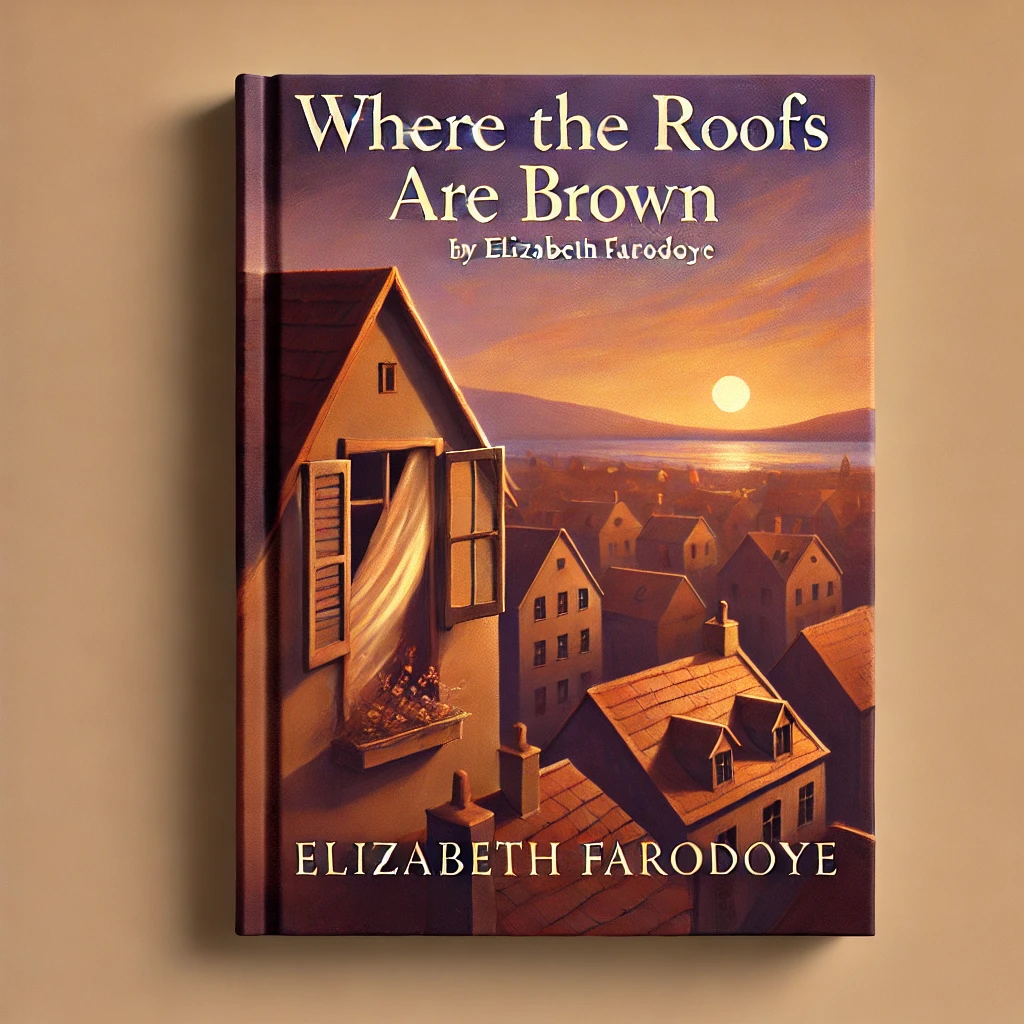
Where The Roofs Are Brown Poem by Elizabeth Farodoye
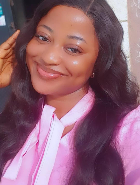

Where The Roofs Are Brown
Where the Roofs Are Brown
By Elizabeth Farodoye
I come from where the roofs are brown,
not copper-kissed or burnished by wealth,
but stained with years, dust, and the loud silence of forgotten people.
They sit like tired elders on tired homes,
bearing witness to lives held together by thread and thin prayers.
We grew beneath them, children of rust,
not golden but forged in heat.
We learned early that innocence is a currency
the poor cannot afford.
Our childhoods were brief soliloquies,
cut off mid-sentence
by hunger, duty, or the throb of unpaid rent.
Our parents were magicians.
They turned scarcity into supper,
made school fees from dust,
sewed dignity into our fraying uniforms.
Their eyes held entire wars
fought quietly behind market stalls
and beneath flickering bulbs powered by hope and stolen wires.
But it wasn't just the poverty that held us hostage.
It was the country,
that roaring giant with a hollow belly,
gnawing at its children with greedy teeth.
Nigeria, a land where justice wears a blindfold,
but also a price tag.
Our brothers were plucked off the streets
like weeds mistaken for thorns.
Dragged by uniforms with loaded guns
and emptier consciences.
Sometimes, their only crime was having a beard,
a phone, or a future.
They vanished into stations that smell of sweat and power,
into cells that chew dignity like sugarcane.
And we,
we stood outside, helpless as wind,
our voices strangled by the knowledge
that lawyers cost more than breath.
The system does not ask if you are innocent.
It asks if you can pay.
And if you can't,
your silence is notarized by fear.
Your story is filed away in the drawers of oblivion.
You become
one more name scratched into the walls of grief,
misspelled by injustice.
We were raised knowing that survival is an art.
We knew when to bow,
when to disappear,
when to act deaf in a land where speaking out
can become a death sentence
in disguise.
And yet,
our parents carried us through it,
with weary bones and wild faith.
They fed us with fragments,
loved us with leftovers,
prayed until their voices broke
on altars stained with unanswered questions.
We wore borrowed shoes and borrowed time,
but we walked like kings,
because our scars taught us
to turn pain into purpose.
Now, when you see us smile,
don't mistake it for peace.
It is resistance.
It is memory.
It is the sound of children who grew up
under brown roofs
where the rain fell more than blessings
but still,
we survived.
So here we are,
no longer waiting for a seat at the table,
but building our own altars,
etching our names into spaces
where silence used to live.
We are the fire
from the ashes of forgotten dreams.
We are the poem
the nation tried to erase.
© Elizabeth Farodoye
This poem has not been translated into any other language yet.
I would like to translate this poem



Delivering Poems Around The World
Poems are the property of their respective owners. All information has been reproduced here for educational and informational purposes to benefit site visitors, and is provided at no charge...
8/29/2026 6:18:44 AM # rel_20260827T145718Z_a0f1bd3


