Give Woman Folk Gap (Wisdom From Chief Ezemalukwuo, Nwoye Egbuonu) Poem by *Tony Cemaluk Egbuonu
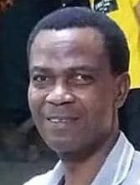

Give Woman Folk Gap (Wisdom From Chief Ezemalukwuo, Nwoye Egbuonu)
Sobbing, I went to meet my Dad,
Chief EzeMalukwuo,
in the in-house stall where he was shelving goods.
He had just come back from Onitsha.
Me: Papa, sobbing.
My Dad: Why are you crying? Who beat you? Why? What did you do wrong?
Me: Mama beat me. I sobbed harder.
I didn't do her anything.
I was just fanning the firewood for the fire to catch and burn well.
She beat me, carried me up, and threw me out of the kitchen.
My father picked and handed me mgbedoume —
mgbedoume: keeper of strength,
that very strong, hard short bread a child could take days to finish.
As I chewed, my Dad parted my hair,
looked me eye ball to eye ball, and said:
See, you are a man.
You are supposed to sit near me always,
not following your mother everywhere.
By the way, what were you doing in the Kitchen?
Can you cook food?
I answered, innocent:
I was roasting my corn and pear,
making sure the fire did not die
by arranging the firewood well
and blowing it with akupe —
an improvised hand fan for that purpose.
My father nodded:
I can't see anything wrong you did.
You were simply in a wrong place at a very wrong time.
Then he held me, looked straight into my eyes:
My son, in anything you do,
give woman folk gap, including your mother.
Their head can go hot without warning.
And when their head is hot,
they won't know husband, son, or anybody at all.
I dropped the mgbedoume.
I stayed on the floor.
I picked and gave him articles,
and he shelved them on the counter.
Simple division of labor.
I so internalized my Dad's wisdom on womanfolk
that I never had issues with them,
because I learnt early to give them gap.
- Tony Cemaluk Egbuonu
This poem has not been translated into any other language yet.
I would like to translate this poem



Delivering Poems Around The World
Poems are the property of their respective owners. All information has been reproduced here for educational and informational purposes to benefit site visitors, and is provided at no charge...
8/30/2026 4:32:37 AM # rel_20260827T145718Z_a0f1bd3