
The Birkebeiners Poem by Tor Magnor Solvang


The Birkebeiners
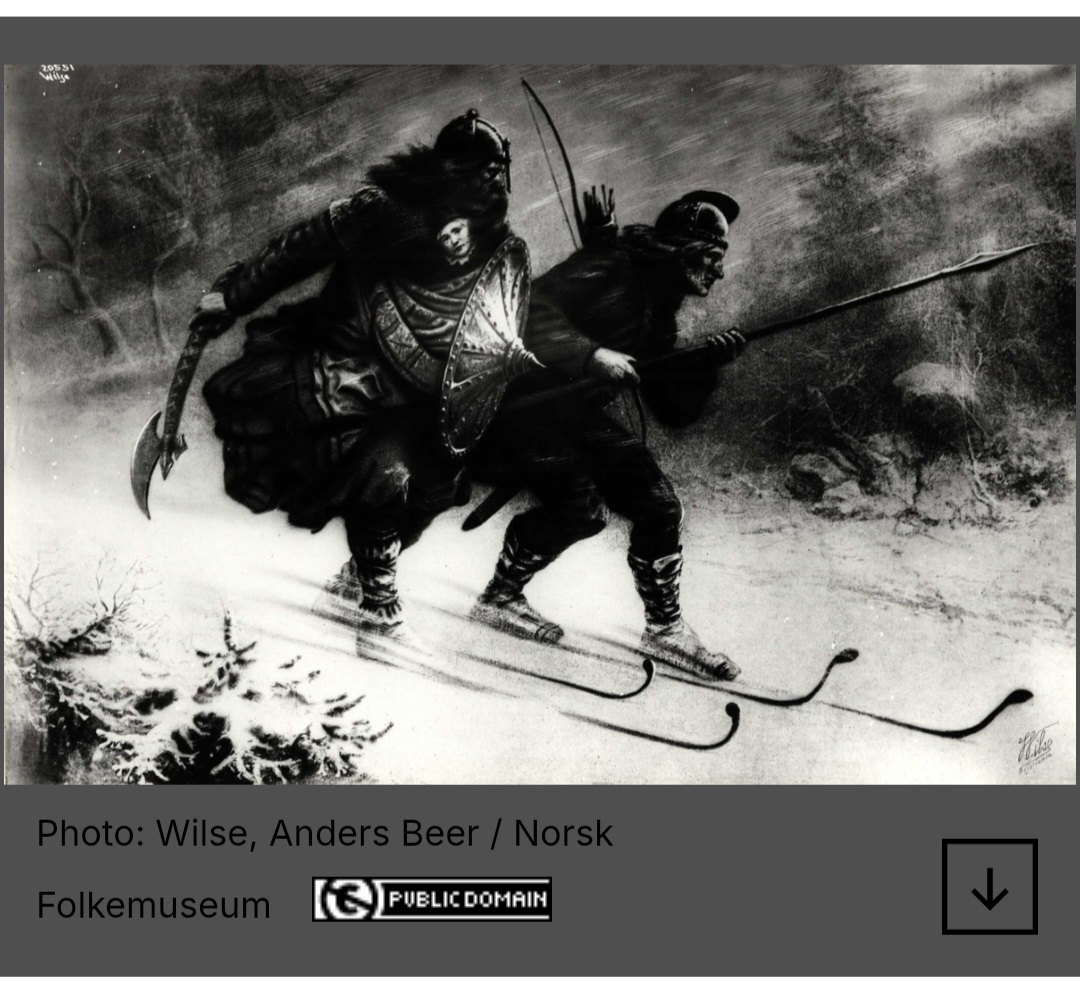
From deep woods they came in 1177,
Seventy men, from Vänern's shore.
A leader, cheekbones sharp and keen,
Eyes ablaze, demanding more.
Their clothes were rags, the wind did tear,
Birch bark bound round legs so bare,
Against the cold, a chilling fear,
'Birkebeiner, ' scorn hung in the air.
Stone halls mocked, wine goblets gleamed,
At those who lacked even leather shoes.
But mountain winters, darkly dreamed,
Silks offered no escape, no ruse.
Up high, where winds like knives would flay,
And snow erased all trace of man,
Survival shaped them, day by day.
Birch bark, not shame, but a survival plan.
Norway in ashes, fields all froze,
Forty years of ceaseless fight,
All safety lost, as everyone knows.
Guerrilla war, their guiding light.
Värmland's dark forests, Østerdal,
They learned to read the woods with skill,
The fleeing beast, the sentry's fall,
Axes, short swords, their deadly will.
Attacked at dawn, the greyest hour,
Then vanished swift, across the pass,
Where heavy horse could find no power.
No homes to warm them, no warm mass.
The forest floor, their only store,
Bark, frozen roots, a bitter taste.
Silence reigned, forevermore,
Under the snow, in winter's waste.
They marched 'til feet bled through the bark,
Slept close in storms, a shared embrace,
Frost rimed their beards, a chilling mark,
Each breath, a cloud in that frozen place.
Simple weapons, yet deadly true,
In hands that death did not dismay,
Each axe, each knife, a world anew,
Attacking with force that held no sway.
The silence before, the frozen creak,
Of birch bark on snow, each step, a plan,
Each breath, a moment they seek,
The clash in the woods, of mortal man.
Then steel replaced the bark so brown,
Taken from foes, fallen and cold.
Rags gone, beneath a heavy gown,
Smelling of sweat and stories untold.
Fimreite's fjord, a dark, deep stain,
Armored bodies sunk without a sound.
They seized the halls, the golden grain,
And sat where lords before were crowned.
Hands that had clawed for roots so deep,
And carved the arrows by campfires bright,
Now held gold rings, secrets to keep,
And touched parchments, day and night.
Swords drew lines, sealed deals of might,
And judged the wrongs, for all to see.
Loyalty strained, with waning light,
Though sharing flesh in forests free.
They bickered now, in gilded halls,
For power, rank, and the fire's warm glow.
Armor a symbol, rising walls,
Between the folk that toiled below.
Guards stood watch, their hands on steel,
For shadows moving, silent threat.
Trust gone, no longer can they feel,
But watch each other, and never forget.
Washed off the blood, in brass so bright,
And donned fine wool, from distant shore,
But underneath, the scars of white,
Remained, of winters evermore.
The taste of hunger, never gone,
Though tables groaned with roasted fare,
And sweet mead flowed, until the dawn,
In tankards cold, beyond compare.
Through Oslo's mud, the final fight,
The Birkebeiners' cry, so grim.
Desperate force, burning bright,
Like first days in the woods so dim.
To hold what they had grasped with force,
Too large for woods, too fond of fire.
Each drop of blood, a bitter source,
Of what they lost, ascending higher.
When smoke cleared, and battle ceased,
They stood above an empty realm.
No strength remained, no longer fleeced,
No further fight, overwhelms.
Snow fell soft, on guards that stood,
At burning monastery, night's embrace.
Weapons gleamed, misunderstood,
A silence hung, on time and space.
They started with bark, and nothing lost.
Now stood in steel, the finest made.
The enemy paid the highest cost,
The land they owned, a price was paid.
Snow covered friends, and fallen foes,
Could they put down the sword at last?
The cold was same, like before one knows,
But weight of burdens, unsurpassed.
This poem has not been translated into any other language yet.
I would like to translate this poem



Delivering Poems Around The World
Poems are the property of their respective owners. All information has been reproduced here for educational and informational purposes to benefit site visitors, and is provided at no charge...
4/7/2026 4:45:37 PM # 1.0.0


