
Malayalam 32 - അപ്പൂപ്പൻതാടി Poem by Unnikrishnan Sivasankara Menon


Malayalam 32 - അപ്പൂപ്പൻതാടി
മൃത്യുവിൽ നരച്ച തലകൾ
ജീവന്റെ ഭാരം നഷ്ടപ്പെട്ട
അജീവാത്മാക്കൾ
ഇളംകാറ്റിൻ ചിറകേറിപ്പറക്കുന്നു
പ്രേതാത്മാക്കൾ മാത്രം പുറ-
ത്തിറങ്ങുന്ന ഉച്ചാലുച്ചകളിൽ
പച്ചയുടെ കെട്ടുപൊട്ടിച്ച്
പറന്നുപൊങ്ങുന്നു
ഗതികിട്ടാതെ പുരുഷാത്മാക്കൾ
സ്ത്രീശരീരങ്ങൾ തേടിയലഞ്ഞു
പെൺദേഹികളാകട്ടെ,
ആൺദേഹങ്ങളെയും;
മനുഷ്യർക്കെന്ന പോലെ
ആത്മാക്കൾക്കും
സ്വവർഗ്ഗപ്രണയം
അനുവദിച്ചിട്ടില്ലല്ലോ!
പ്രേതബാധിത ദേഹങ്ങളെ കളംവരച്ചിരുത്തി
ഉച്ചാടനക്രിയ നടത്തവേ, ആത്മാക്കൾ
സമാന്തരമായ് തങ്ങളിൽ കയർത്തു:
'ആരു പോകും? ആർ പോകണം? '
വിശപ്പിന്റെ കൂടം അടിച്ചുപരത്തിയ വിത്തിൽ
ജീവന്റെ ബാക്കിയായ അവസാനത്തെ തുള്ളി
മഴ പെയ്യുമ്പോൾ വയലുകളിൽ
വിത്തുകൾ പൊട്ടിമുളയ്ക്കട്ടെ!
Notes
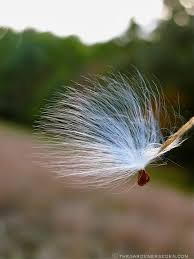
അപ്പൂപ്പൻതാടി (Appooppan Thadi) (Malayalam) literally means the (grey) beard of a grand old man. But it connotes the Pappus.
The pappus is the modified calyx which functions as a wind-dispersal mechanism for the seeds. The pappus may be composed of bristles (sometimes feathery) , awns or scales. The name derives from the Ancient Greek word pappos, Latin pappus, meaning 'old man', so used for the woolly, hairy seed of certain plants.
More Notes
1) In stanzas 1&2, metaphor of ‘ghosts' is used for pappuses.
2) In stanzas 3&4, the metaphor is taken forward.
3) In stanzas 4&5, the verdict of Supreme Court of India against Same-sex Marriages is referred to.
4) Stanza 6 cites the state of a ‘possessed' person: one body and two souls. Is there a choice here for the exorcist on the ‘soul' to be exorcised? What if the original soul in the body is ousted leaving it in the possession of the ghost?
This poem has not been translated into any other language yet.
I would like to translate this poem



Delivering Poems Around The World
Poems are the property of their respective owners. All information has been reproduced here for educational and informational purposes to benefit site visitors, and is provided at no charge...
8/28/2026 9:56:40 AM # rel_20260827T145718Z_a0f1bd3



In Latin the word ‘Pappus' means 'old man', while a word with the same meaning " അപ്പൂപ്പൻതാടി" is already in use in Malayalam to connote the seeds with hairy crowns. Interesting!