Sara Teasdale 33 - അനദ്യോമിനി Poem by Unnikrishnan Sivasankara Menon

Sara Teasdale 33 - അനദ്യോമിനി

Rating: 5.0

അനദ്യോമിനി

This is a translation in Malayalam of the poem ‘ Anadyomene ' by Sara Teasdale.

വിശാലവും ഉജ്ജ്വലവുമായ
പ്രപഞ്ചക്ഷേത്രം ഞാൻ കണ്ടെത്തി
വിഭ്രാമകമാം അനന്തതയിലൂടെ
ഞാനകത്തു കടന്നു,
നിനക്കുമുന്പിൽ മുട്ടുകുത്തി
നിന്നെ ആരാധിക്കാനായി;
സംഗീതമാലപിക്കും താരങ്ങളെത്തൻ
അക്ഷീണപ്രദക്ഷിണവഴികളിലെ
രജതദ്യുതിഭരമാമീണങ്ങളോലും
വർത്തുളഗീതങ്ങളിൽത്തന്നെ വിട്ടു,
അളന്നുപകുത്ത തനതിടങ്ങളിൽ
തിരിതെളിയും ശ്രീകോവിലുകളിൽ
ദൈവങ്ങൾക്കുമുന്പിൽ ഒരുപോലെ
കനിവ് പെരുകാനായ് യാചിക്കുന്ന
അറിവിയന്ന മനുജരെയും മന്ദബുദ്ധികളെയും
അവിടെത്തന്നെ ഞാൻ വിട്ടുവെച്ചു.

ഓ! അഫ്രൊഡൈറ്റി, അനന്തശൂന്യത-
യ്ക്കു കുറുകെ, നിന്നിൽനിന്നു-
തന്നെയല്ലേ എനിക്കുള്ള വിളി വന്നത്?
മനുഷ്യവദനങ്ങളിൽ ഞാൻ
നിന്മുഖം തെരയുന്ന ഇക്കാലത്ത്,
പ്രണയത്തിൻ മാതാവേ, നീ-
യെന്നിൽ നിന്ന് മുഖം തിരിക്കരുതേ!
കേൾക്കൂ നീയെന്നർത്ഥന, നക്ഷത്ര-
ഖചിതമാമിടങ്ങളിൽ ഒഴുകി നടക്കാനായ്
വീണ്ടുമെന്നാത്മാവിനെ സ്വതന്ത്രമാക്കൂ.
Sara Teasdale 33 - അനദ്യോമിനി
POET'S NOTES ABOUT THE POEM
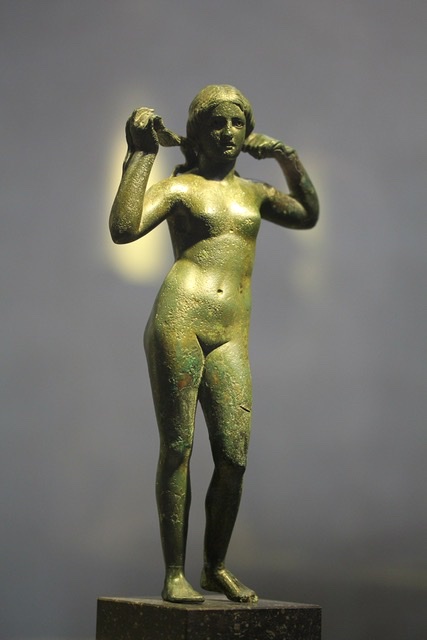
Poet's Note: Venus Anadyomene (from Greek, 'Venus Rising From the Sea') is one of the iconic representations of the goddess Venus (Aphrodite) , made famous in a much-admired painting by Apelles, now lost, but described in Pliny's Natural History, with the anecdote that the great Apelles employed Campaspe, a mistress of Alexander the Great, for his model. According to Athenaeus, the idea of Aphrodite rising from the sea was inspired by the courtesan Phryne, who, during the time of the festivals of the Eleusinia and Poseidonia, often swam nude in the sea. According to Greek mythology, Aphrodite was born as an adult woman from the sea off Paphos in Cyprus, which also perpetually renewed her virginity. A motif of the goddess wringing out her hair is often repeated. The subject was often repeated in Antiquity, a fourth-century sculptural representation from a Gallo-Roman villa in Aquitania (Louvre) testifying to the motif's continued viability in Late Antiquity. Apelles' painting was executed for the temple of Asclepius at Kos, from which it was taken to Rome by Augustus in part payment of tribute, and set up in the Temple of Caesar. In the time of Nero, owing to its dilapidated condition, it was replaced by a copy made by the painter Dorotheus. Pliny, listing Apelles' best paintings, noted 'Venus emerging from the sea, dedicated by the late Augustus of blessed memory in the shrine of Caesar called 'The Anadyomene', praised in Greek verses like other works, conquered by time but undimmed in fame.' The picture I have shared here, is of a bronze statue of Venus Anadyomene made in the 1st or 2nd century. Venus is shown wringing out her hair. The statue was discovered in Kortrijk and is now in the collection of the Musée royal de Mariemont.
COMMENTS OF THE POEM
READ THIS POEM IN OTHER LANGUAGES
Unnikrishnan Sivasankara Menon

Unnikrishnan Sivasankara Menon

PUTHENCHIRA, KERALA, INDIA
Close
Error Success