
Vincent Van Gogh 96 - Arles & Arlesians Poem by Geeta Radhakrishna Menon


Vincent Van Gogh 96 - Arles & Arlesians
Vincent wanted to go to a place where the sun shone brightly,
He thought of Africa but Theo dismissed it as a place far away.
'Theo, I want the sun. I want it in its most terrific heat and power.
I ‘ve been feeling it pull me southward all winter,
Like a huge manet. Until I left holland
There was no such thing as sun.
Now I know there's no such thing as painting without it……
I am chilled to the bone from the Parisian winter.'
It was Lautrec who suggested to Vincent
The old Roman settlement of Arles along the Rhone.
Vincent was fascinated by the description of Arles
He took a quick decision. He must leave Paris.
He had drunk too many absinthes, smoked too many pipes,
And engaged in social activities that was irrelevant to him.
He felt a tremendous urge to move away to a sunny place
Where he could pour out his passion into his canvas.
Vincent made up his mind to leave Paris.
He left a note for Theo.
' Dear Theo, I have gone to Arles
And will write to you as soon as I get there.
I have put some of my paintings on the walls
So that you won't forget me.
With a handshake in thought.
Vincent'.
As the train sped towards south of Frances to Arles
The sun pierced into Vincent's eyes and lit up with brightness.
The Arlesian sun was like a fire ball rolling its smouldering eyes
And spreading its golden rays into the sky and dwellings in Arles.
As soon as he reached his destination, he checked into Hotel Carrel Then, ran out in excitement to explore the beautiful countryside.Vincent was determined to capture the sun with his dynamic brush strokes.
A Biographical Poem
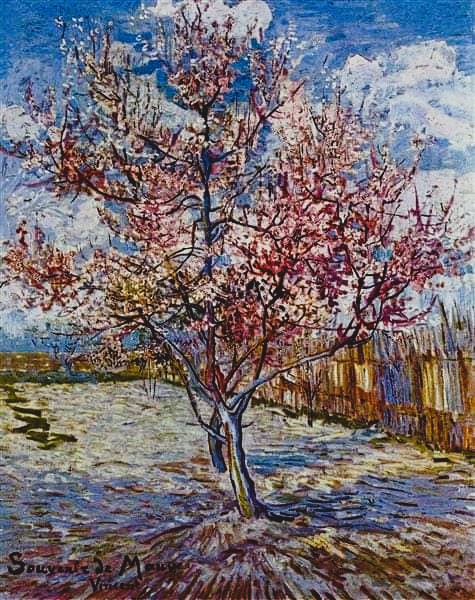
Vincent was determined to capture the sun with his dynamic brush strokes....He was focused on his target. Each episode of this great series meticulously depicts the facets of this great artist's life!
Vincent goes in search of what life has kept in store for him..the mind of an artist, always restless….beautifully captured in the poem…
This poem has not been translated into any other language yet.
I would like to translate this poem



Delivering Poems Around The World
Poems are the property of their respective owners. All information has been reproduced here for educational and informational purposes to benefit site visitors, and is provided at no charge...
3/10/2026 6:13:31 AM # 1.0.0



Vincent was a determined artist, who lived for his work.